

California Condor Population Reaches 1,000 for First Time, Up from Just 22 in 1982
The California condor population has reached 1,000 individuals — a remarkable recovery from just 22 birds in 1982, making it one of the most successful endangered species recovery programs in history.
AnimalsGNGV Editorial Team5 min read
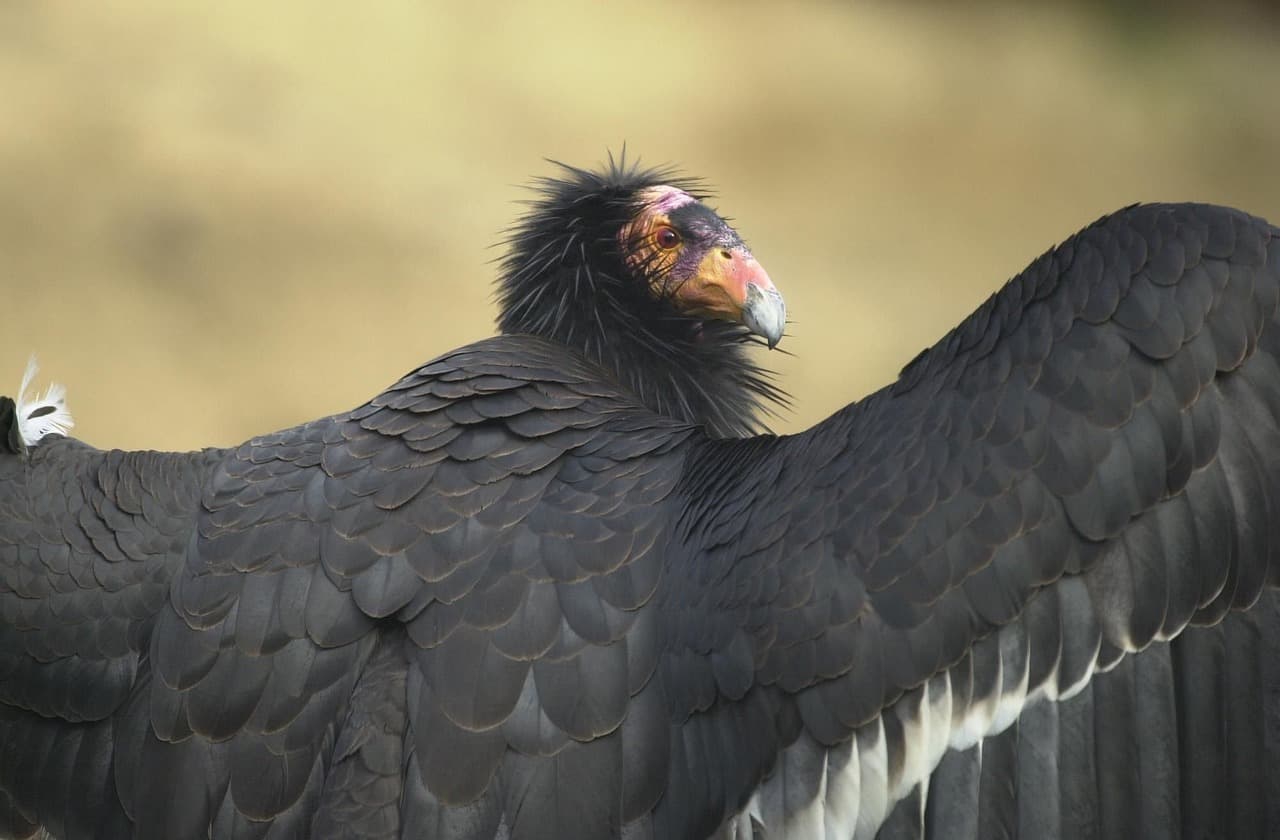
The California condor, North America's largest flying bird, has reached a total population of 1,000 individuals for the first time in modern history, marking an extraordinary recovery from the brink of extinction when just 22 birds survived in the wild in 1982. The milestone was confirmed by the US Fish and Wildlife Service based on the latest census data.
The recovery represents one of the most ambitious and successful conservation programs ever attempted. In 1987, the last wild condors were captured for a breeding program that many critics at the time deemed futile. From those 27 captive birds, scientists painstakingly built a breeding program that produced chicks, trained them for wild survival, and gradually released them into carefully managed habitat.
Today, more than 600 condors fly free across California, Arizona, Utah, and Baja California, Mexico, while approximately 400 remain in breeding facilities. Crucially, wild-born chicks now make up the majority of new additions to the population, meaning the species is sustaining itself naturally rather than depending entirely on captive breeding.
The turnaround was driven by solving the condors' primary threat: lead poisoning from ammunition fragments in carcasses they scavenge. California's 2019 ban on lead ammunition in hunting, followed by similar laws in Arizona and Utah, dramatically reduced lead exposure. Mortality rates among wild condors have dropped by 60 percent since the bans took effect.
The Yurok Tribe in Northern California has played a vital role in the most recent phase of recovery, managing a reintroduction program that returned condors to the Pacific Northwest for the first time in over a century. The condor, known as prey-go-neesh in the Yurok language, holds deep cultural significance for the tribe.
Conservation biologists note that the condor's recovery demonstrates that even species on the very edge of extinction can be brought back when science, policy, and community engagement align.


