

Duke University Creates Ultrafast Photodetector That Senses Light Across the Entire Electromagnetic Spectrum
Researchers at Duke University have developed an ultrafast photodetector capable of sensing light across the entire electromagnetic spectrum, generating a signal in just 125 picoseconds.
InnovationGNGV Editorial Team4 min read
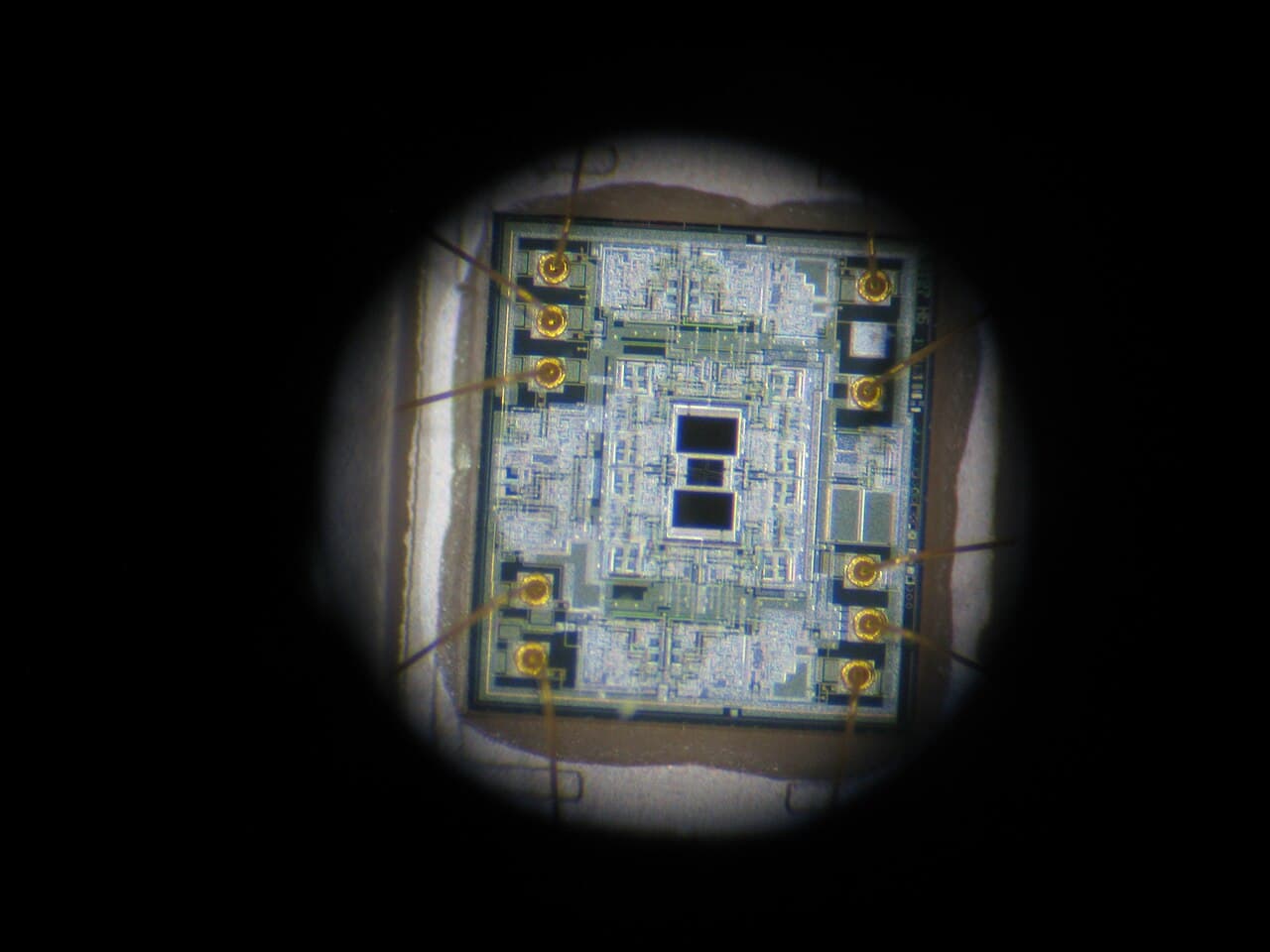
Researchers at Duke University have created a revolutionary photodetector that can sense light across the entire electromagnetic spectrum — from radio waves to gamma rays — and generate a signal in just 125 picoseconds, approximately one trillionth of a second.
Traditional photodetectors are typically limited to specific portions of the electromagnetic spectrum. Separate devices are needed for visible light, infrared, ultraviolet, and other wavelengths, making broadband detection cumbersome and expensive. The Duke team's innovation overcomes this limitation with a single device that responds to all wavelengths simultaneously.
The photodetector works by exploiting the unique electronic properties of specially engineered metamaterials — artificial structures designed to interact with electromagnetic radiation in ways that natural materials cannot. These metamaterials convert incoming photons of any frequency into electrical signals with remarkable speed and sensitivity.
The 125-picosecond response time is particularly significant. This extreme speed means the detector can capture events that happen in less than a billionth of a second, making it ideal for applications requiring ultra-high temporal resolution, such as LIDAR systems for autonomous vehicles and time-resolved spectroscopy.
Environmental scientists could use the technology to detect multiple types of atmospheric pollutants simultaneously.
The team is now working on scaling up production of the devices and optimizing them for specific commercial applications. They anticipate that the first practical implementations could appear within three to five years, initially in research and defence applications before broader commercial deployment.


