

Dutch Startup's Engineered Enzyme Breaks Down PET Plastic Bottles in 48 Hours at Industrial Scale
A Dutch biotech startup has demonstrated an engineered enzyme that breaks down PET plastic bottles into reusable raw materials within 48 hours, operating at industrial scale and producing material of equal quality to virgin plastic.
InnovationGNGV Editorial Team5 min read
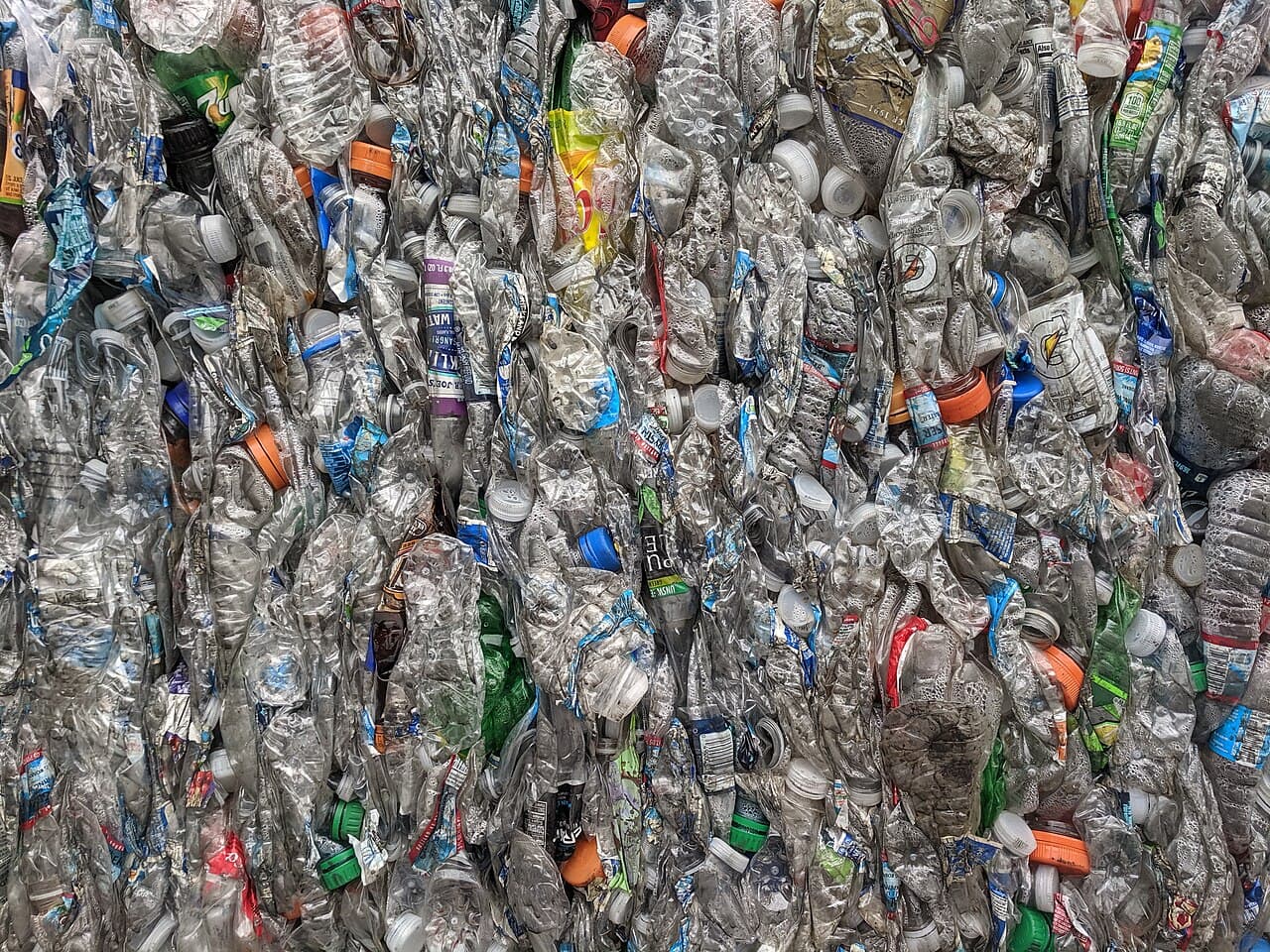
EnzyPlast, a Dutch biotech startup spun out of Delft University of Technology, has demonstrated that its engineered enzyme can break down PET plastic bottles into their original chemical building blocks within 48 hours at industrial scale — a process that currently takes conventional recycling methods far longer and produces lower-quality output.
The enzyme, designated EP-7, was engineered through directed evolution — a technique that mimics natural selection in the laboratory to create proteins with desired properties. Starting from a naturally occurring enzyme found in a Japanese waste processing plant in 2016, the team put it through 14 generations of evolution, improving its speed by 400-fold and its temperature tolerance to work at the 65°C optimal range for industrial processing.
In a demonstration at their pilot facility near Rotterdam, EnzyPlast processed 10 tonnes of mixed post-consumer PET waste — including colored bottles, food containers, and textile polyester — in a single 48-hour run. The output was pure terephthalic acid and ethylene glycol, the two chemical monomers used to make PET, at 97 percent purity.
What makes this significant is that the recovered monomers can be used to manufacture new PET of identical quality to virgin material. Conventional mechanical recycling degrades plastic quality with each cycle, meaning most recycled PET is downcycled into lower-grade products. Enzymatic recycling breaks this cycle entirely, enabling truly circular plastic production.
The economics are also compelling. EnzyPlast estimates their process will cost approximately €800 per tonne of processed plastic at full scale — competitive with virgin PET production and significantly cheaper than existing chemical recycling methods. The company has secured €180 million in funding to build a full-scale commercial facility that will process 50,000 tonnes of PET waste annually, scheduled to open in 2028.
Major beverage companies including Coca-Cola and Nestlé have signed letters of intent to purchase recycled monomers from the facility, signaling strong market demand for enzyme-recycled plastic.


