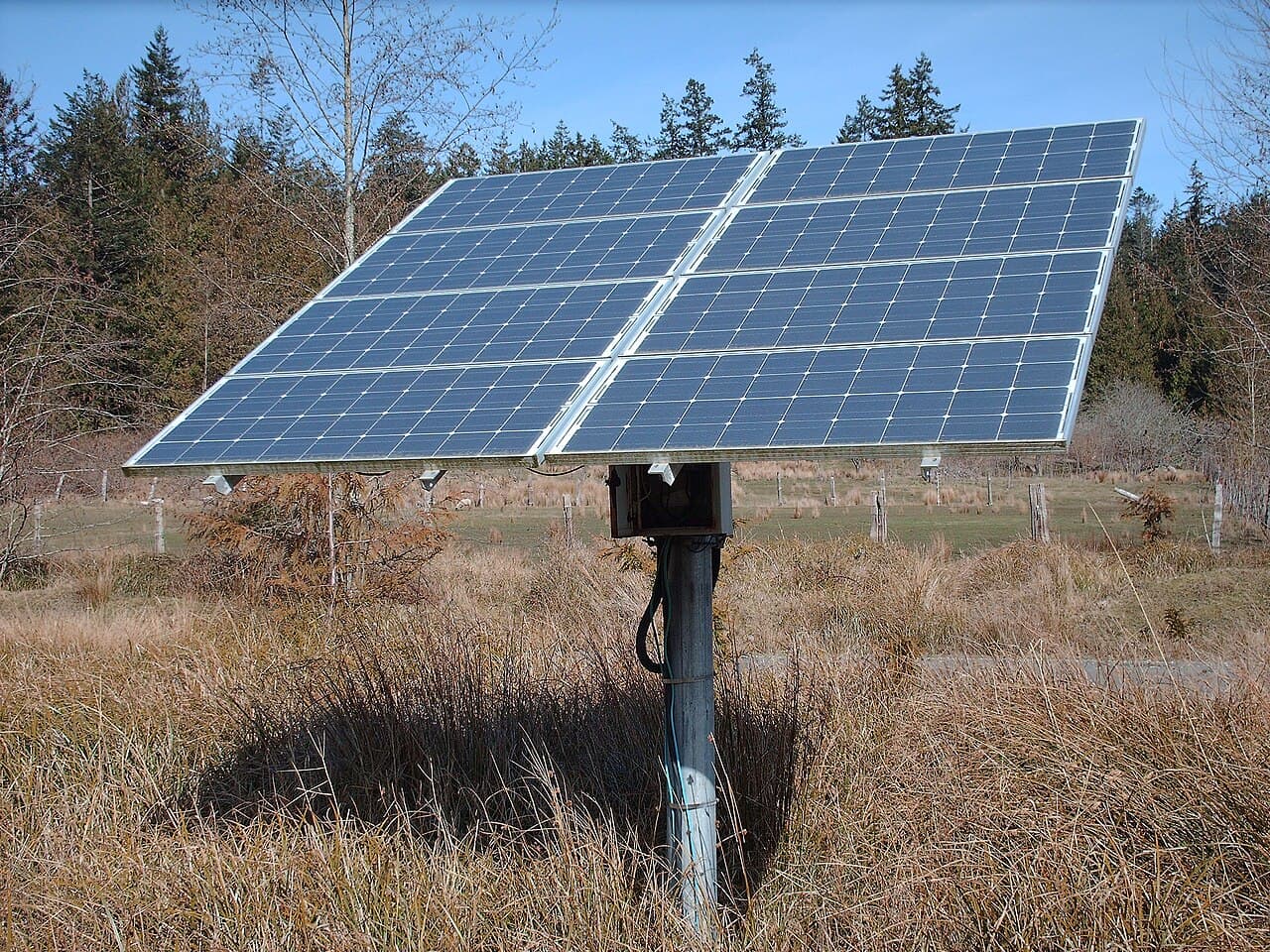

Renewable Energy Named Science's 2025 Breakthrough of the Year as Solar and Wind Surpass Coal Globally
The journal Science named the global renewable energy surge its 2025 Breakthrough of the Year. For the first time, renewables surpassed coal as a source of electricity worldwide, with solar and wind growing fast enough to cover the entire increase in global electricity demand in the first half of the year.
ScienceGNGV Editorial Team5 min read

In a landmark recognition of the clean energy transition's accelerating pace, the prestigious journal Science named the global renewable energy surge its 2025 Breakthrough of the Year. This marks the first time an energy milestone has received the honor typically reserved for discoveries in biology, physics, or medicine.
The numbers tell a compelling story. In the first half of 2025, renewable sources generated more electricity worldwide than coal for the first time in history. Solar and wind capacity grew so rapidly that they covered the entire increase in global electricity demand during that period — meaning that for six months, the world met its growing energy appetite without burning additional fossil fuels.
Wind and solar together generated 30 percent of EU electricity in 2025, overtaking fossil fuels at 29 percent for the first time in European history. The milestone was driven by record installations of solar panels and wind turbines across the continent, with countries like Portugal, Denmark, and Germany leading the charge.
Meanwhile, the National Renewable Energy Laboratory in the United States unveiled a breakthrough silicon-carbide-based power module that could help squeeze far more power from existing electricity infrastructure. The technology promises to reduce energy waste in the grid, making the transition to renewables even more efficient.
The cost of solar electricity continued its remarkable decline, falling to levels that make it the cheapest source of new electricity in most of the world. Industry analysts noted that solar panel manufacturing capacity now exceeds global demand, pushing prices to historic lows and making clean energy accessible to developing nations.
Experts emphasized that while the renewable surge is cause for celebration, it must accelerate further to meet climate targets. The International Energy Agency estimates that renewable capacity needs to triple by 2030 to keep the 1.5°C warming target within reach. Nevertheless, the pace of change in 2025 exceeded even the most optimistic projections from just five years ago, offering genuine grounds for hope.