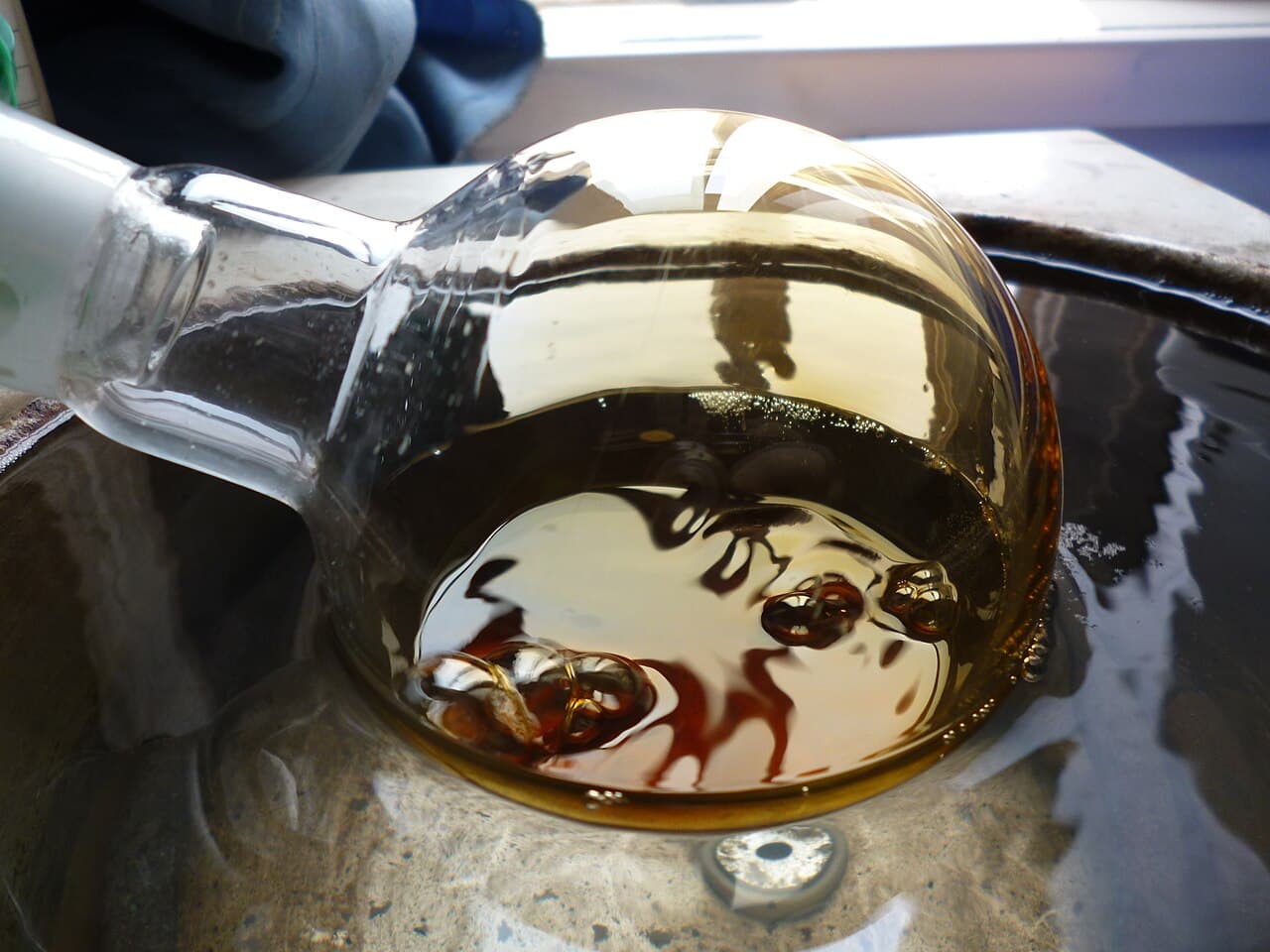

A Sunlight-Powered Catalyst Turns Plastic Waste Into Vinegar
Researchers developed an iron-doped carbon nitride catalyst that uses sunlight to break down common plastics and convert the resulting carbon dioxide into acetic acid, the main ingredient of vinegar, all at room temperature and normal pressure.
ScienceGNGV Editorial Team4 min readLast reviewed September 28, 2026

Plastic waste is one of the most stubborn environmental problems of our age, but a clever bit of chemistry reported on March 14, 2026, offers a genuinely hopeful new angle: using nothing more than sunlight to turn discarded plastic into a useful, valuable chemical. The approach, developed by Yimin Wu and colleagues, hinges on a specially designed catalyst made of carbon nitride studded with single atoms of iron.
The process unfolds in two elegant steps, both powered by light. First, sunlight activates hydrogen peroxide to generate hydroxyl radicals, highly reactive molecules that break apart the long chains of the plastic. That breakdown releases carbon dioxide. Rather than letting that CO2 escape into the air, the same catalyst then does a second job, using sunlight to convert the CO2 into acetic acid, the main component of household vinegar.
What makes the method appealing is how mild and versatile it is. Conventional chemical recycling often demands high heat and harsh conditions, but this reaction runs at room temperature and ordinary pressure. The catalyst proved durable through repeated use, and it worked on a range of common plastics, including polyethylene, polypropylene, PET, and PVC. Crucially, acetic acid is no waste product; it is a multi-billion-dollar commodity chemical normally made through energy-intensive industrial processes. The work was published in a peer-reviewed energy materials journal.
As with any laboratory advance, scaling this up to handle the world’s mountains of plastic will be a serious challenge, and the researchers’ reported production rates, while comparable to other light-driven methods, are early figures. Even so, the vision is inspiring: a way to tackle plastic pollution and capture carbon at once, driven by the most abundant energy source we have. It is a reminder that some of our hardest problems may yield to patient, creative science powered, quite literally, by the Sun.