
A “Breakthrough” for Migratory Wildlife: Manta Rays, Jaguars and Birds Win New Protections
At the Cop15 migratory species conference in Brazil, more than 130 governments agreed to stronger protections for manta rays, jaguars and migratory birds. New measures to cut bycatch and build “blue corridors” for turtles and “flyways” for birds were hailed by BirdLife and WWF as a major step for nature.
AnimalsGNGV Editorial Team5 min read

Migratory animals are among the most awe-inspiring travelers on Earth, crossing oceans, continents and borders on journeys that can span thousands of miles. They are also among the most vulnerable, precisely because no single country can protect a creature that may breed in one nation, feed in another and pass through dozens more along the way. So when more than 130 governments gathered for the Cop15 migratory species conference in Brazil in 2026, conservationists watched closely — and came away celebrating what they called a genuine breakthrough.
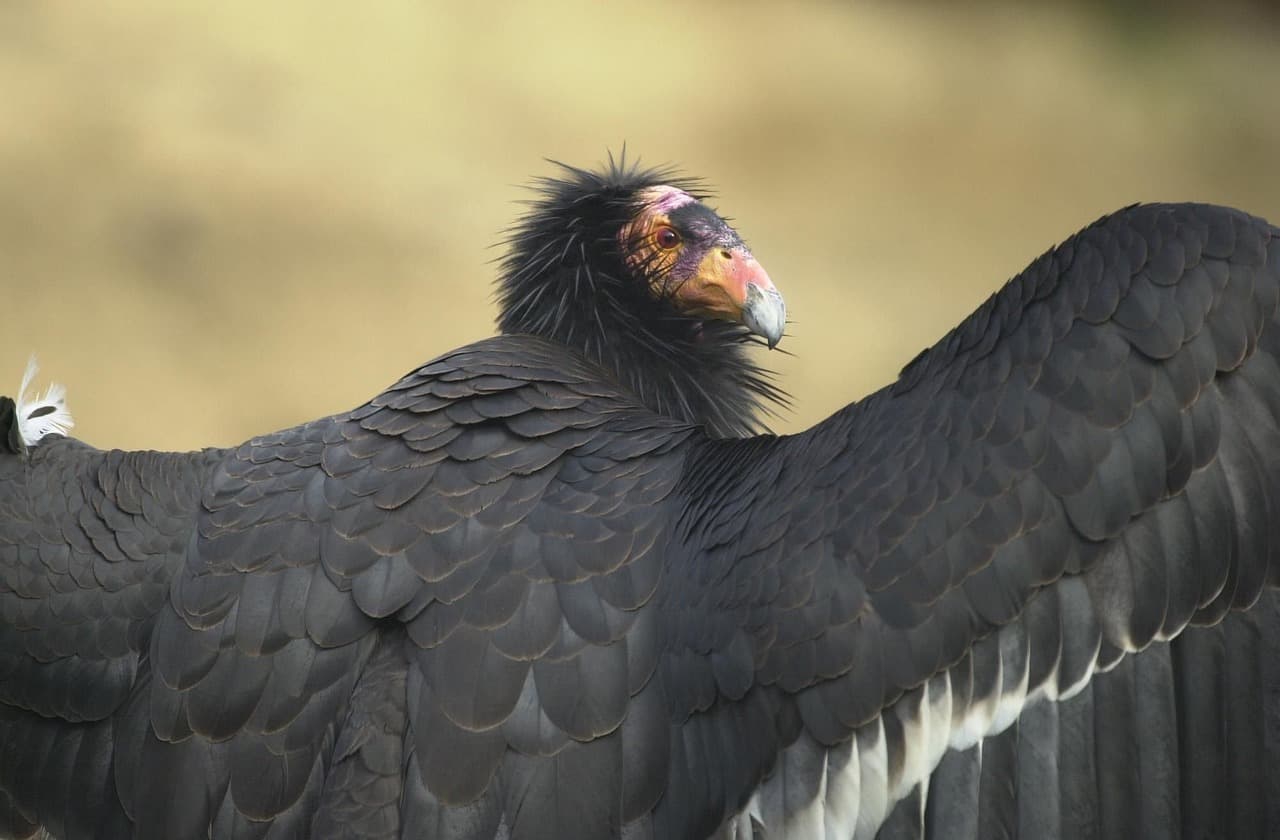
The assembled nations agreed to strengthen protections for a range of migratory species, including manta rays, jaguars and migratory birds. Among the measures were new commitments to reduce bycatch — the accidental capture of non-target animals in fishing operations, which kills vast numbers of marine creatures each year — and steps to improve cross-border wildlife connectivity on both land and sea. Crucially, governments backed the idea of protected “blue corridors” for sea turtles and other ocean travelers, and safeguarded “flyways” for migratory birds.
The reaction from conservation groups was warm. BirdLife International described the pact as a major breakthrough for migratory birds, while WWF called it a vital step for both people and nature, noting that protecting blue corridors and flyways will aid species recovery while conserving the ecosystems that sustain local communities. By coordinating across borders, the agreement aims to knit together the scattered habitats that migratory species depend on into something closer to a connected, protected network.
The summit did not shy away from the scale of the challenge. Scientists warned that 49 percent of the migratory species covered by the agreement are in decline, up from 44 percent just two years earlier — a sobering reminder that commitments must be matched by action. Yet the breakthrough shows that international cooperation on wildlife is still possible, and that the world’s great travelers — from the manta rays gliding through tropical seas to the birds threading between continents — still have champions willing to fight for the freedom of their journeys.