

L’enzyme modifiée d’une start-up néerlandaise décompose les bouteilles en PET en 48 heures à l’échelle industrielle
Une start-up néerlandaise de biotechnologie a fait la démonstration d’une enzyme modifiée qui décompose en 48 heures les bouteilles en plastique PET en matières premières réutilisables, à l’échelle industrielle, en produisant un matériau d’une qualité égale à celle du plastique vierge.
InnovationÉquipe éditoriale GNGV5 min de lecture
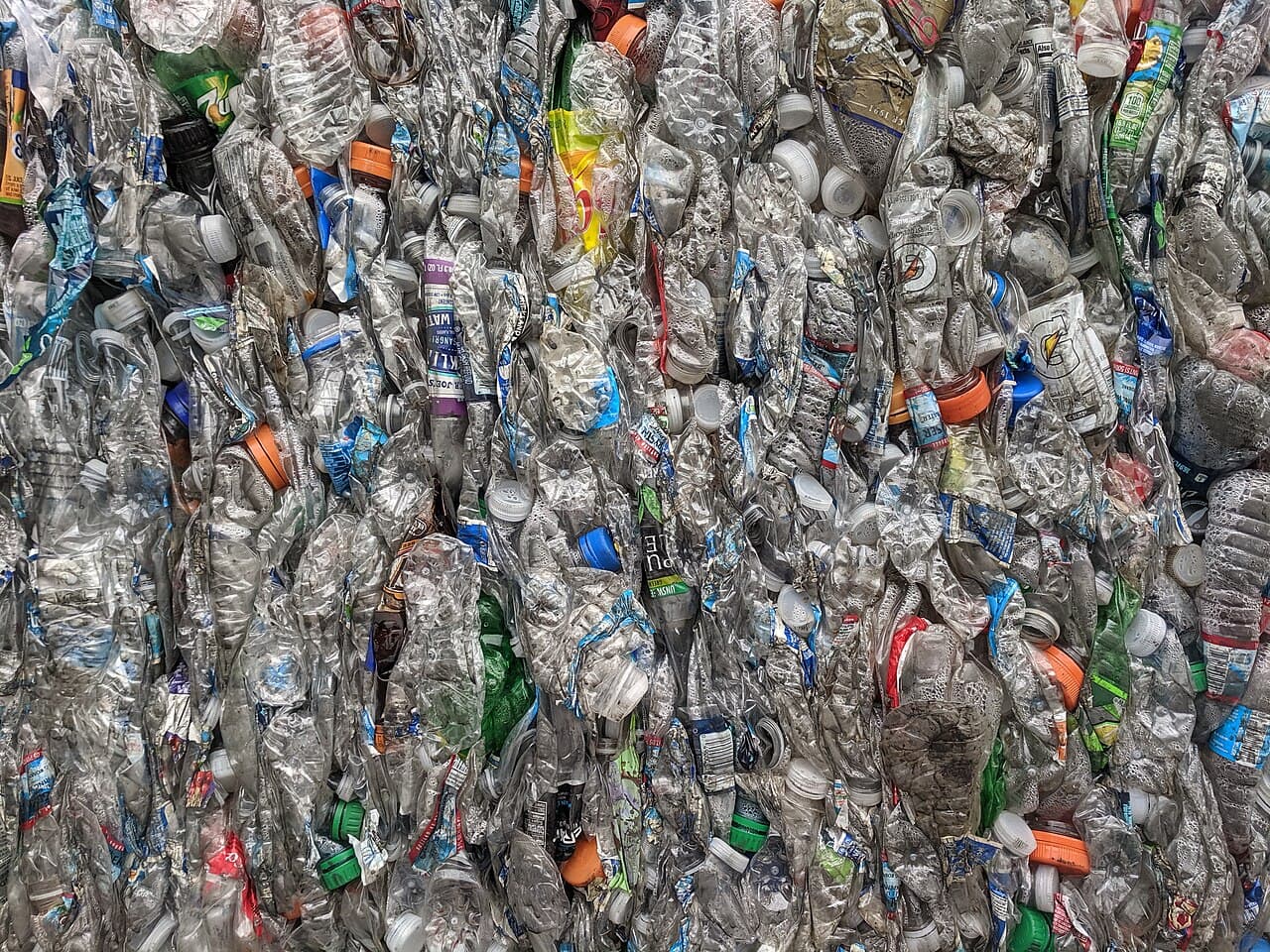
EnzyPlast, une start-up néerlandaise de biotechnologie issue de l’Université de technologie de Delft, a démontré que son enzyme modifiée pouvait décomposer les bouteilles en plastique PET en leurs composants chimiques d’origine en 48 heures à l’échelle industrielle — un processus qui prend aujourd’hui bien plus de temps avec les méthodes de recyclage conventionnelles et donne un résultat de moindre qualité.
L’enzyme, baptisée EP-7, a été mise au point par évolution dirigée — une technique qui imite la sélection naturelle en laboratoire pour créer des protéines dotées des propriétés recherchées. Partant d’une enzyme naturelle découverte en 2016 dans une usine de traitement des déchets au Japon, l’équipe lui a fait subir 14 générations d’évolution, multipliant sa vitesse par 400 et améliorant sa tolérance à la température pour qu’elle fonctionne dans la plage optimale de 65°C du traitement industriel.
Lors d’une démonstration dans son installation pilote près de Rotterdam, EnzyPlast a traité 10 tonnes de déchets de PET post-consommation mélangés — dont des bouteilles colorées, des emballages alimentaires et du polyester textile — en un seul cycle de 48 heures. Le résultat : de l’acide téréphtalique et de l’éthylène glycol purs, les deux monomères chimiques qui servent à fabriquer le PET, à 97 % de pureté.
Ce qui rend cette avancée importante, c’est que les monomères récupérés peuvent servir à fabriquer du PET neuf d’une qualité identique à celle du matériau vierge. Le recyclage mécanique conventionnel dégrade la qualité du plastique à chaque cycle, si bien que la majeure partie du PET recyclé est décyclée en produits de moindre qualité. Le recyclage enzymatique rompt entièrement ce cycle et permet une production de plastique véritablement circulaire.
L’équation économique est elle aussi convaincante. EnzyPlast estime que son procédé coûtera environ 800 euros par tonne de plastique traité une fois à pleine échelle — un coût compétitif avec la production de PET vierge et nettement inférieur à celui des méthodes de recyclage chimique existantes. L’entreprise a obtenu 180 millions d’euros de financement pour construire une usine commerciale à grande échelle, qui traitera 50 000 tonnes de déchets de PET par an et dont l’ouverture est prévue en 2028.
De grands groupes de boissons, dont Coca-Cola et Nestlé, ont signé des lettres d’intention pour acheter des monomères recyclés issus de l’usine, signe d’une forte demande du marché pour le plastique recyclé par voie enzymatique.


