
Rural North Carolina Fire Department Builds Solar Microgrid to Serve as Community Resilience Hub
Yancey County's Double Island Volunteer Fire Department installed a solar-powered microgrid with battery storage, creating a resilience hub that operates during power outages and reduces energy costs.
CommunityGNGV Editorial Team4 min read

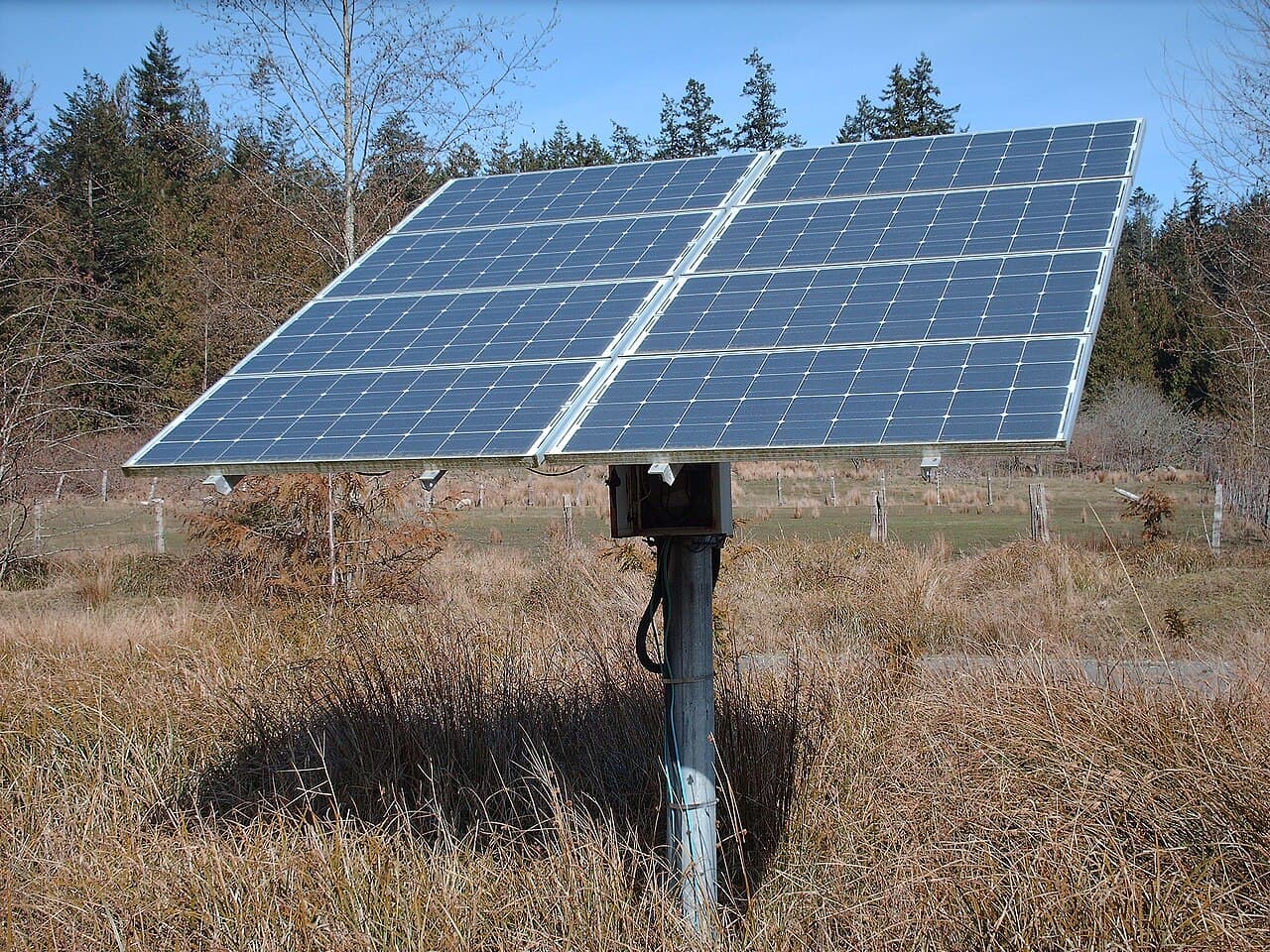
In rural Yancey County, North Carolina, the Double Island Volunteer Fire Department has installed a solar-powered microgrid with battery storage, transforming the fire station into a community resilience hub that can operate independently during power outages. The project exemplifies how small communities are taking energy resilience into their own hands.
The microgrid system combines solar panels with battery storage to ensure that the fire department can continue emergency operations even when the main power grid fails. During outages caused by storms or other disasters, the station becomes a gathering point where community members can charge devices, access emergency communications, and find shelter.
For a rural volunteer fire department, the benefits are practical and immediate. Emergency response capabilities are maintained regardless of grid conditions, energy costs for the department are reduced, and the community gains a reliable safe haven during crisis situations.
The project reflects a growing trend of community-scale energy resilience, where local organizations install distributed energy systems rather than relying entirely on centralized power infrastructure. This approach is particularly valuable in rural areas that may experience longer outage recovery times due to their distance from major power infrastructure.
The installation also demonstrates that clean energy technology is accessible to small, resource-limited organizations. The combination of falling solar costs and available battery storage technology has made microgrids feasible for community buildings, not just large commercial installations.
Local officials hope the project will inspire other rural communities to invest in similar resilience infrastructure, creating a network of community hubs that can maintain essential services during emergencies while reducing operational costs and carbon emissions during normal operations.