

La population de condors de Californie atteint 1 000 individus pour la première fois, contre 22 seulement en 1982
La population de condors de Californie a atteint 1 000 individus, un rétablissement remarquable alors qu’il ne restait que 22 oiseaux en 1982, qui en fait l’un des programmes de sauvetage d’espèces menacées les plus réussis de l’histoire.
AnimauxÉquipe éditoriale GNGV5 min de lecture
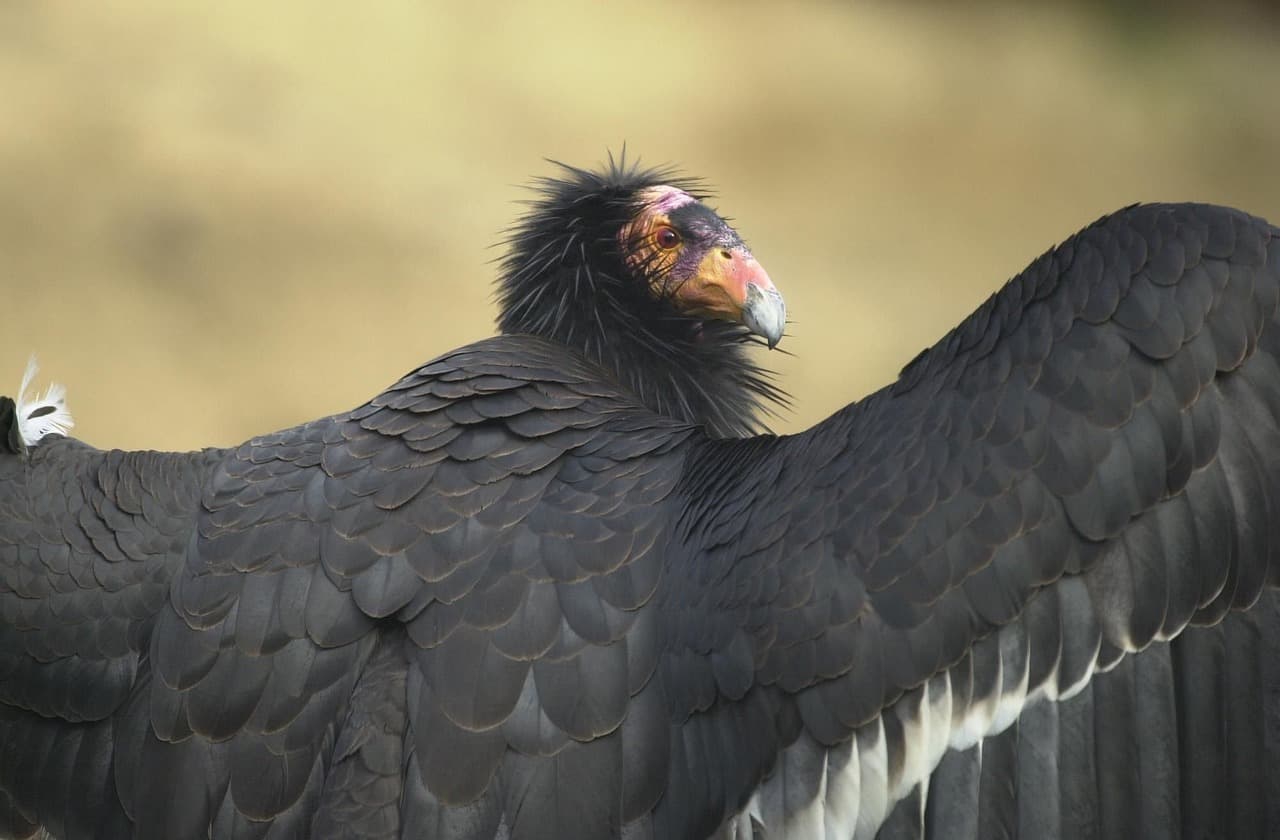
Le condor de Californie, le plus grand oiseau volant d’Amérique du Nord, a atteint une population totale de 1 000 individus pour la première fois de l’histoire moderne, un rétablissement extraordinaire pour une espèce au bord de l’extinction, dont seuls 22 oiseaux survivaient à l’état sauvage en 1982. Ce seuil a été confirmé par l’US Fish and Wildlife Service sur la base des dernières données de recensement.
Ce rétablissement est l’un des programmes de conservation les plus ambitieux et les plus réussis jamais entrepris. En 1987, les derniers condors sauvages ont été capturés pour un programme de reproduction que de nombreux détracteurs jugeaient alors vain. À partir de ces 27 oiseaux captifs, les scientifiques ont patiemment bâti un programme d’élevage qui a produit des poussins, les a préparés à survivre dans la nature et les a progressivement relâchés dans un habitat soigneusement géré.
Aujourd’hui, plus de 600 condors volent en liberté en Californie, en Arizona, dans l’Utah et en Basse-Californie, au Mexique, tandis qu’environ 400 restent dans des centres d’élevage. Fait essentiel, les poussins nés à l’état sauvage représentent désormais la majorité des nouveaux venus dans la population, ce qui signifie que l’espèce se maintient naturellement au lieu de dépendre entièrement de l’élevage en captivité.
Ce redressement tient à la résolution de la principale menace pesant sur les condors : l’intoxication au plomb due aux fragments de munitions présents dans les carcasses dont ils se nourrissent. L’interdiction des munitions au plomb pour la chasse, adoptée par la Californie en 2019 et suivie de lois similaires en Arizona et dans l’Utah, a considérablement réduit l’exposition au plomb. Les taux de mortalité des condors sauvages ont baissé de 60 % depuis l’entrée en vigueur de ces interdictions.
La tribu Yurok, dans le nord de la Californie, a joué un rôle essentiel dans la phase la plus récente du rétablissement, en gérant un programme de réintroduction qui a ramené les condors dans le Nord-Ouest Pacifique pour la première fois depuis plus d’un siècle. Le condor, appelé prey-go-neesh en langue yurok, revêt une profonde signification culturelle pour la tribu.
Les biologistes de la conservation soulignent que le rétablissement du condor montre que même des espèces tout au bord de l’extinction peuvent être sauvées lorsque la science, les politiques publiques et l’engagement des communautés vont dans le même sens.


