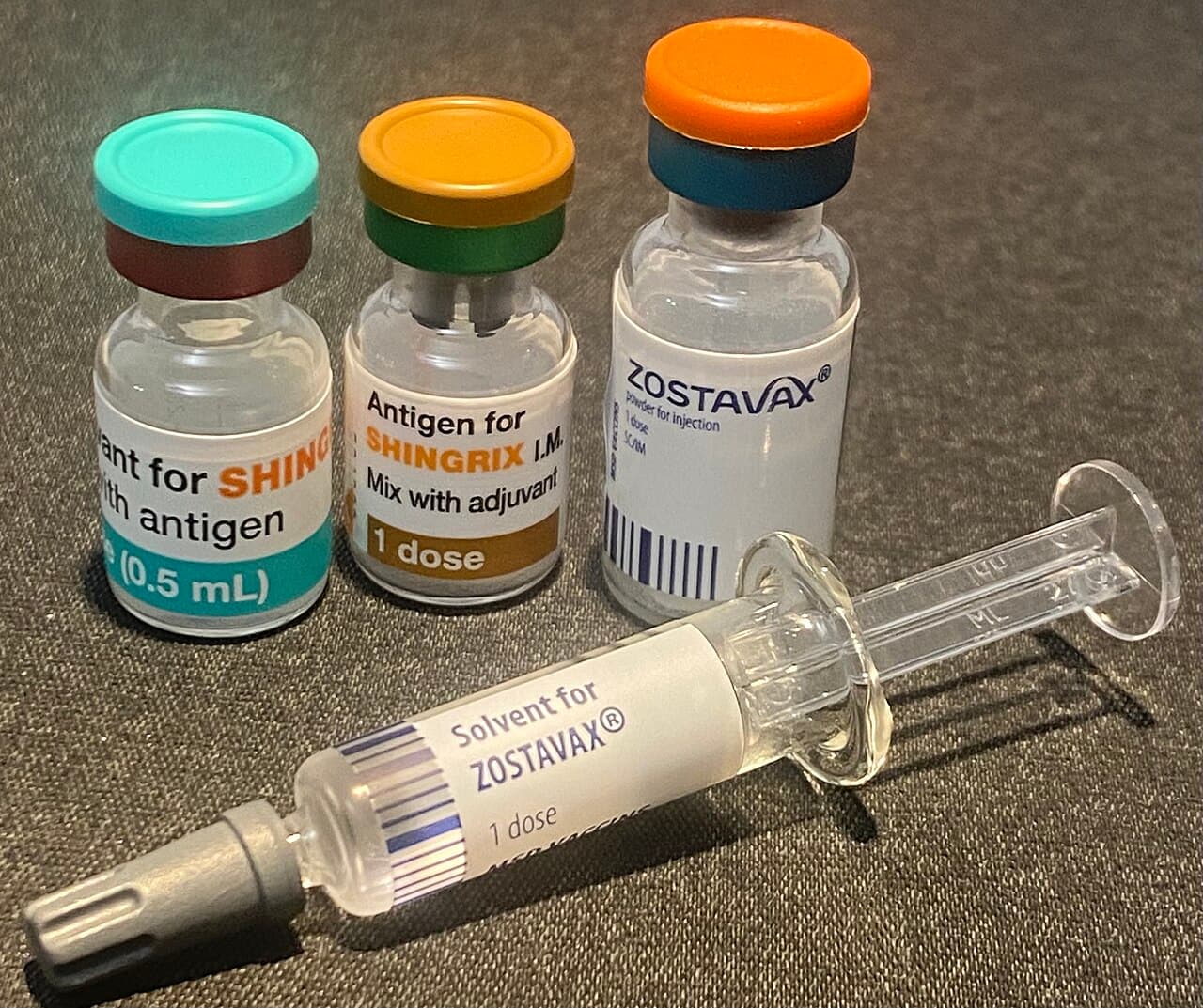

Un nouveau vaccin à ARNm contre le paludisme affiche 95 % d’efficacité lors d’un essai de phase 3 dans 6 pays africains
Un vaccin contre le paludisme à ARNm mis au point par Oxford et BioNTech a démontré une efficacité de 95 % lors d’un essai de phase 3 mené auprès de 22 000 enfants dans six pays africains, dépassant de loin les vaccins existants et laissant espérer l’élimination de la maladie.
SantéÉquipe éditoriale GNGV5 min de lecture
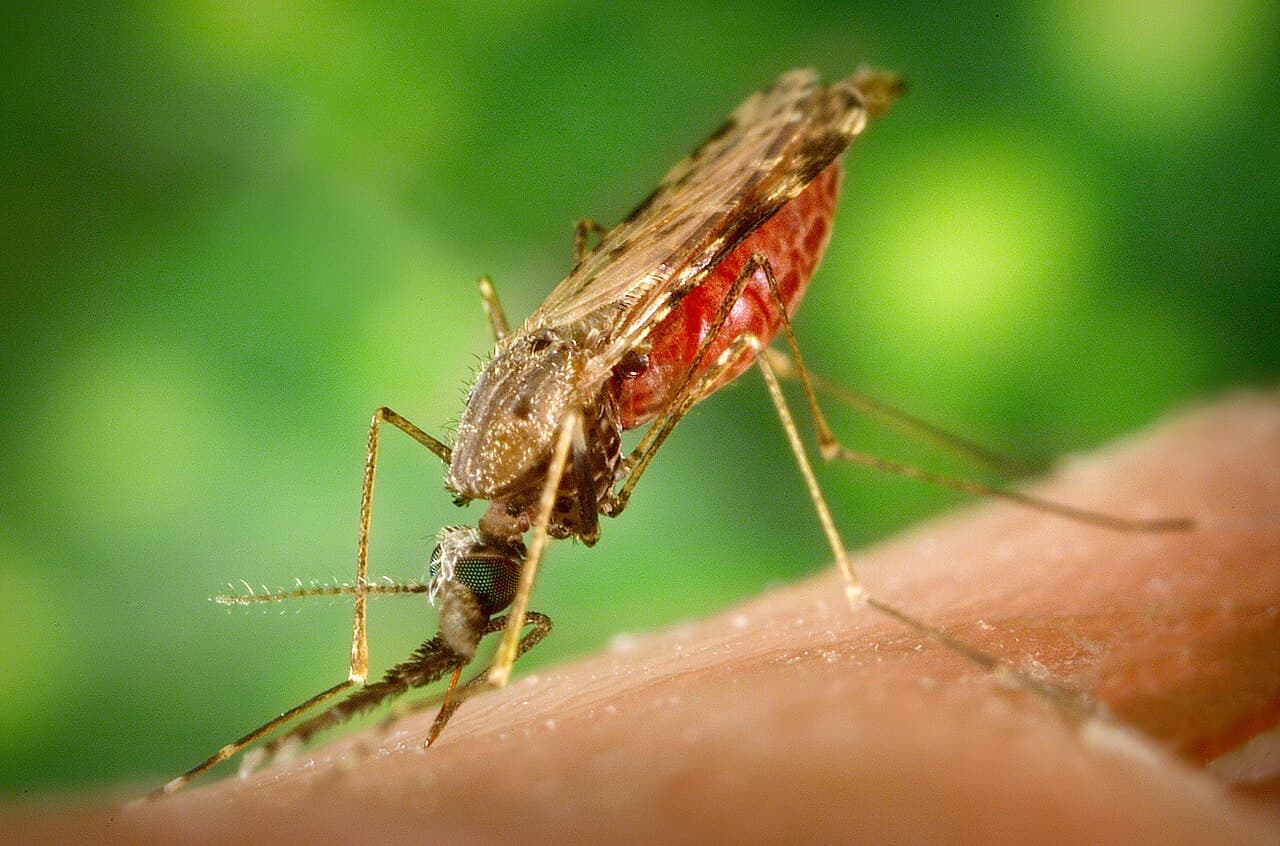
Un vaccin contre le paludisme à ARNm, fruit d’une collaboration entre l’université d’Oxford et BioNTech, a montré une efficacité de 95 % lors d’un vaste essai clinique de phase 3 portant sur 22 000 enfants âgés de 5 mois à 3 ans dans six pays africains. Ces résultats, publiés dans The Lancet, pourraient changer la donne dans la lutte contre une maladie qui tue plus de 600 000 personnes chaque année.
Le vaccin, baptisé mRNA-MAL-2, cible plusieurs stades du cycle de vie du parasite du paludisme, une avancée majeure par rapport aux vaccins existants, qui ne visent qu’un seul stade. Le vaccin RTS,S actuellement déployé en Afrique affiche une efficacité d’environ 36 %, et même le plus récent, le R21, atteint environ 75 %. Le bond à 95 % pourrait modifier en profondeur la trajectoire de la lutte contre le paludisme.
L’essai a été mené sur des sites au Ghana, au Kenya, au Burkina Faso, en Tanzanie, au Mozambique et au Mali pendant 18 mois. Les enfants ayant reçu le schéma vaccinal en trois doses ont présenté 95 % d’épisodes de paludisme symptomatique en moins que le groupe témoin et, point crucial, la protection n’a pas diminué de manière significative pendant la période de suivi.
La plateforme ARNm, qui a fait ses preuves pendant la pandémie de Covid-19, permet de fabriquer le vaccin rapidement et d’augmenter la production pour répondre à la demande mondiale. BioNTech s’est engagé à construire au Rwanda et au Sénégal des usines capables de produire 100 millions de doses par an d’ici à 2028.
Le Dr Adrian Hill, directeur de l’Institut Jenner à Oxford et codirecteur de l’essai, a qualifié ces résultats de « plus grande avancée de toute l’histoire de la recherche sur les vaccins contre le paludisme ». L’Organisation mondiale de la santé a accéléré l’examen du vaccin en vue d’une autorisation d’utilisation d’urgence.
Les retombées économiques sont également considérables. Le paludisme coûte aux économies africaines environ 12 milliards de dollars par an en perte de productivité et en dépenses de santé. Un vaccin très efficace pourrait réaffecter ces ressources à l’éducation, aux infrastructures et au développement économique.