

Illinois Program Has Erased More Than $1.4 Billion in Medical Debt for 694,000 Residents
Illinois Governor JB Pritzker announced that the state’s medical debt relief program, run with the nonprofit Undue Medical Debt, has wiped out more than $1.4 billion in debt for about 694,000 residents using a $10 million allocation. Together with Cook County’s program, $2.4 billion has been erased for about 1.5 million people.
CommunityGNGV Editorial Team3 min readLast reviewed November 9, 2026
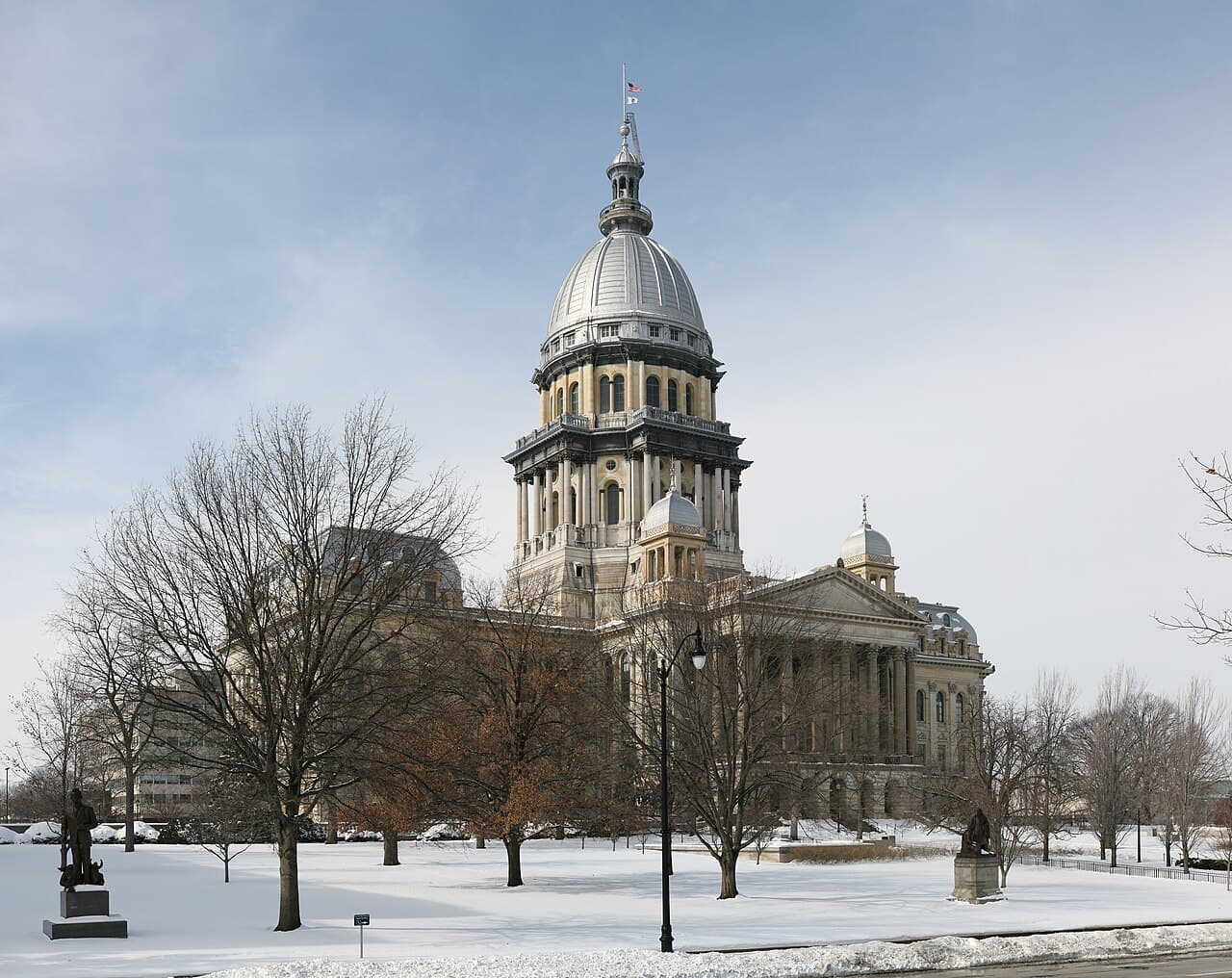
Hundreds of thousands of people in Illinois have opened their mail to find good news: a letter telling them their medical debt is gone. At a news conference reported by the Chicago Sun-Times on 15 October 2026, Governor JB Pritzker announced that the state’s medical debt relief program has erased more than $1.4 billion in debt for about 694,000 residents.
The program works with Undue Medical Debt, a nonprofit that negotiates with hospitals and health systems to buy or receive portfolios of old medical debt and then cancels it. Because such debt is typically sold for a small fraction of its face value, the state’s $10 million allocation was able to relieve a much larger amount. Households generally qualify if their income is at or below 400% of the federal poverty level. Residents do not apply; those whose debt is erased simply receive a letter stating the amount. According to the Sun-Times, one person had as much as $900,000 wiped out.
The relief reached communities across the state. About 7% of DuPage County residents had debt erased, roughly 13% in Kane County, nearly 9% in Lake County and about 22% in Kankakee County. The effort began about two years earlier, when Pritzker and Cook County Board President Toni Preckwinkle discussed the idea. Combined, the state and Cook County programs have now eliminated $2.4 billion in medical debt for about 1.5 million residents. Pritzker said people who received letters have reacted emotionally and that he is committed to continued funding.
Debt cancellation does not fix the reasons people fall into medical debt in the first place, and officials say that is the next step. Preckwinkle said “the next phase of this work will put data from this initiative to use” to study who ends up in medical debt and design policies that address the root causes. She added that the county, which started its program with federal American Rescue Plan funds, will keep funding it after those funds end. For the families who got letters, though, the relief is immediate: one less bill hanging over them.
Why it matters
Medical debt can damage credit, health and peace of mind, and buying it cheaply to cancel it lets a small public budget relieve a very large burden.
Sources
What you can do
Read the full report in the Chicago Sun-Times, and if you have medical bills, ask the hospital about its financial assistance policy before paying.