

A Stranger's Origami Crane Hid a Message That a Teenager Found Ten Years Later
When Rika Matsuda crashed her new bike at age seven, a young man in a suit cleaned her wound, lent her his phone and folded her a paper crane. A decade later, a school assignment about "unsung heroes" led her to unfold it, and she found a message about treasuring every encounter.
Human StoriesGNGV Editorial Team4 min readLast reviewed October 12, 2026
Rika Matsuda was seven years old when she got a new bike that was much faster than her old one. She took it to a park and started to ride, but when she tried the brakes, nothing happened. She crashed into a wall and hurt her foot badly. That is how a story that would take ten years to finish began, as she recounted, at 17 and through an interpreter, for NPR's "My Unsung Hero" series.
A stranger came over: a large, muscular man in his twenties, wearing a suit. At first she was not sure she could trust him. "But when he said, 'Are you OK?' I knew from his kind and gentle voice that he was a very nice man," she said. He helped her to a water fountain, washed the wound on her foot and lent her his phone so she could call her grandfather.
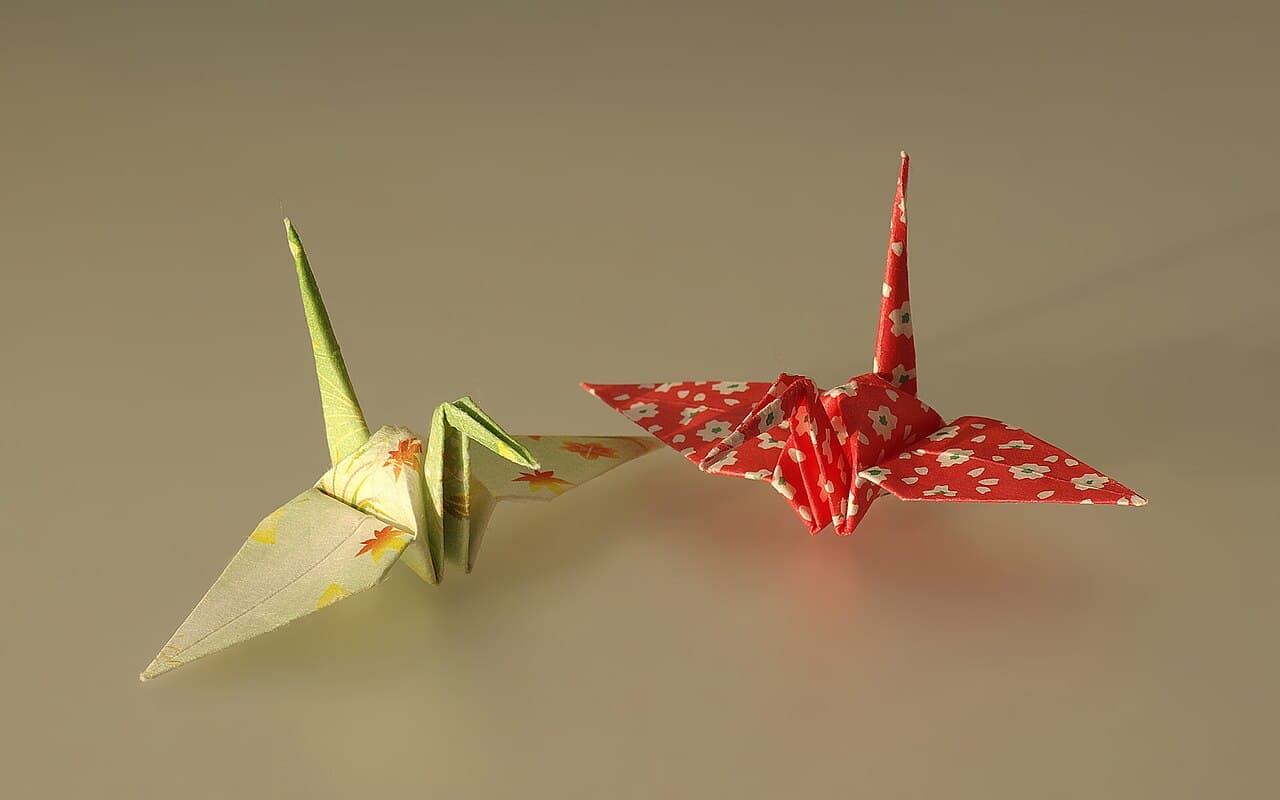
While they waited, he taught her to fold an origami crane. "Maybe he wanted me to think about the paper instead of my foot," Matsuda reflected, according to Good News Network. When her grandfather arrived, the man helped get her and her bike home. "As we parted, he didn't say anything. He just smiled and handed me the origami crane." She kept it in her desk.
Years later, in an English class taught by Benjamin Johnson, students were asked to write about a Good Samaritan for a "My Unsung Hero" assignment. Remembering that afternoon, Matsuda began to suspect the man had written something on the paper while she was on the phone. She unfolded the crane and found a message: a well-known Japanese expression about treasuring every encounter. As she translated it, it means "we should treasure each time we cross paths with someone because it might never happen again", or more simply, cherish the moment.
She never learned the man's name. "And I thought, he's really my unsung hero," she said. A small act of kindness, folded into a paper bird, had been waiting a decade to be read.
Why it matters
Small, quiet acts of kindness can stay with someone for years, and this story is a reminder that how we treat strangers matters.
Sources
What you can do
Think of your own unsung hero and thank them if you can, or simply offer help to someone who needs it today; listen to the full story at KUOW/NPR.


