
Lake Baikal’s Main River Is Flowing Again After Decades of Decline, Tree Rings Reveal
A study in Geophysical Research Letters, led by Shijie Wang of Yunnan University, used 343 years of tree rings to reconstruct the flow of the Selenga River into Lake Baikal. After a 20th-century decline, streamflow has risen since 2017, with lake levels and vegetation also recovering, although the authors link it to natural climate variability.
ScienceGNGV Editorial Team3 min readLast reviewed November 23, 2026
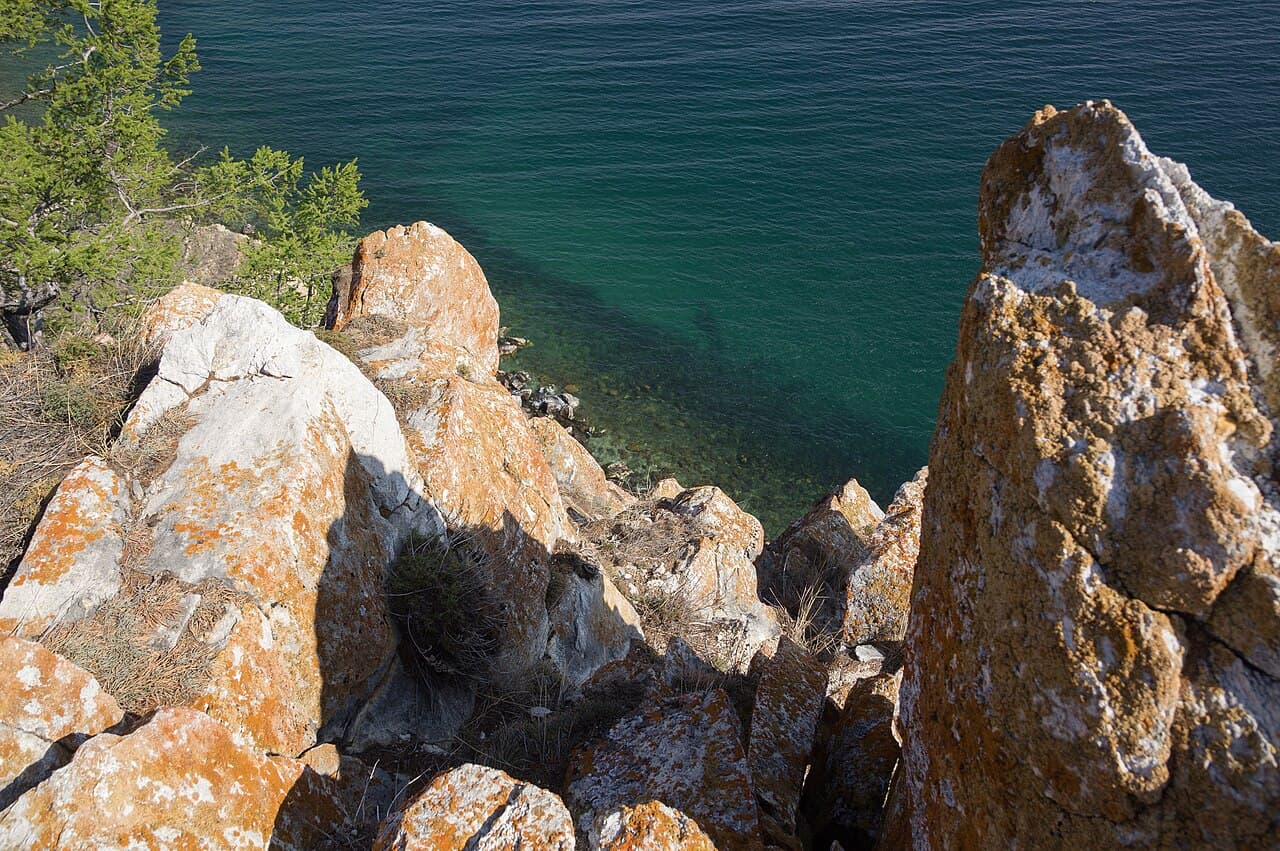
Lake Baikal in Siberia holds about 20% of the world’s surface fresh water, more by volume than any other lake, and has been a UNESCO World Heritage site since 1996. Over the last century, though, aridification spreading across East Asia reduced the water flowing into it, threatening drinking water, farming, hydropower and one of the planet’s most biodiverse lakes. A new study suggests that trend has turned.
As Phys.org reported on 14 November 2026, a team led by Shijie Wang, a doctoral researcher at Yunnan University, published its findings in Geophysical Research Letters. Because direct measurements do not go back far enough, the researchers used dendrochronology: they took small cores from pine trees around the lake and combined them with records from the International Tree-Ring Data Bank. Wide rings indicate wet years and narrow rings dry or stressful ones, which allowed them to reconstruct 343 years of flow in the Selenga River, the lake’s main inflow.
The record shows how severe the decline was. During the 20th century, reconstructed inflow fell by up to 90% in the worst periods, and about half of the extreme drought years in the whole record occurred after 1900. Since 2017, however, streamflow has risen to 145% above the long-term average, lake levels are rising and vegetation growth has increased. The study found that the changes were linked to moisture measures such as precipitation, soil wetness and snowmelt rather than to local temperature, and that more moisture appears to be arriving from the Nordic and Siberian shelf seas, associated with cooler sea surfaces and more sea ice in the neighbouring North Pacific and Arctic.
The authors are clear that the recovery reflects natural climate variability, not a reversal of global warming, and the record shows that increases in flow tend to be abrupt and short-lived while declines are gradual. The findings still matter: they help forecast future lake levels, and the article points to steps such as better water storage, aquifer recharge and restoring the Selenga Delta wetlands to make the region more resilient whatever comes next.
Why it matters
Lake Baikal is a vital freshwater reserve and biodiversity hotspot, and understanding why its inflow is recovering helps communities plan for both wet and dry years ahead.
Sources
What you can do
Read the full article at Phys.org, and support efforts to protect wetlands and river deltas, which store water and buffer droughts.