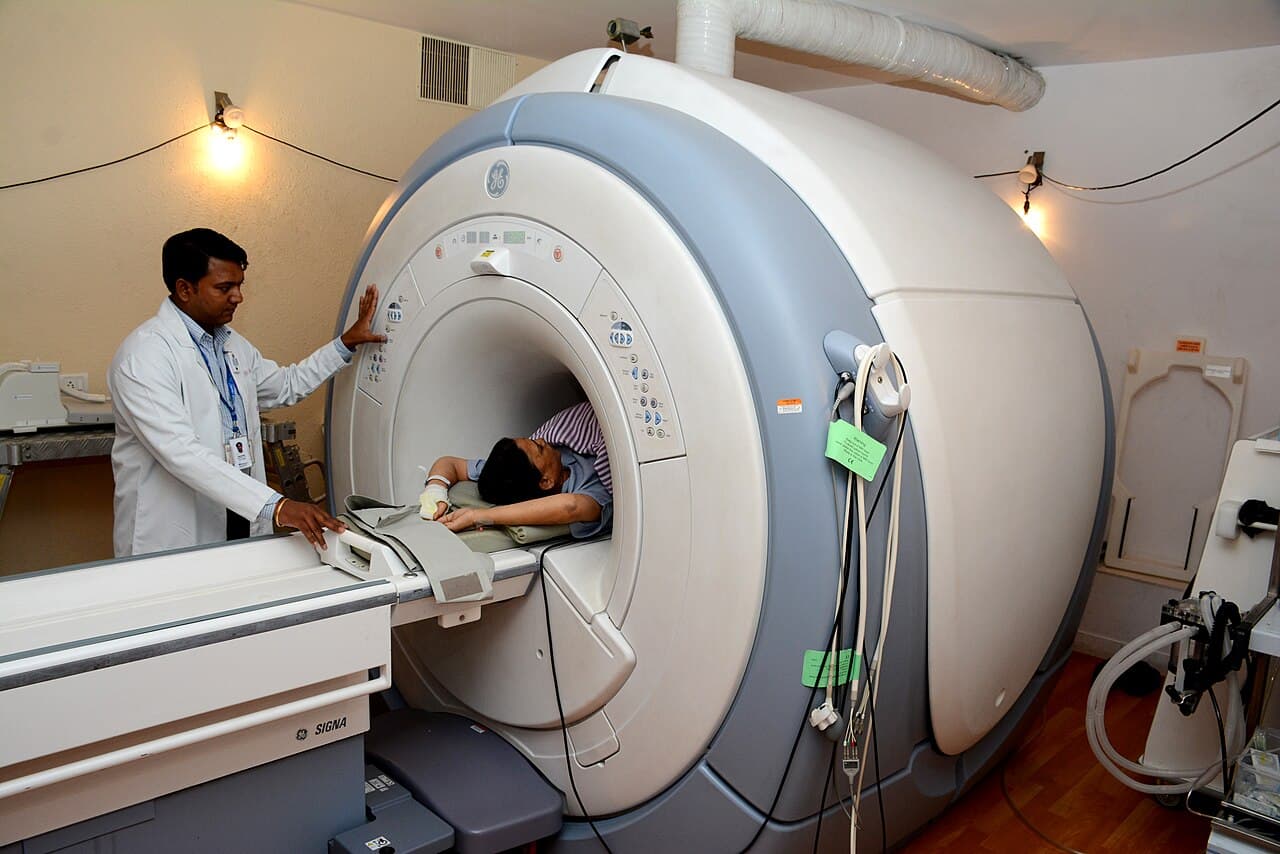

AI Tool Spotted 39% More Brain Aneurysms Than Radiologists Alone in Northwell Health Study
Running silently in the background on 3,856 brain CT angiography scans at Northwell Health, an FDA-cleared AI tool found 55 aneurysms that radiologists had missed, a 39% relative increase in detection, with similar specificity. The benefit was largest for inpatients and smallest for outpatients, according to a study in the Journal of the American College of Radiology.
Artificial IntelligenceGNGV Editorial Team3 min readLast reviewed November 9, 2026
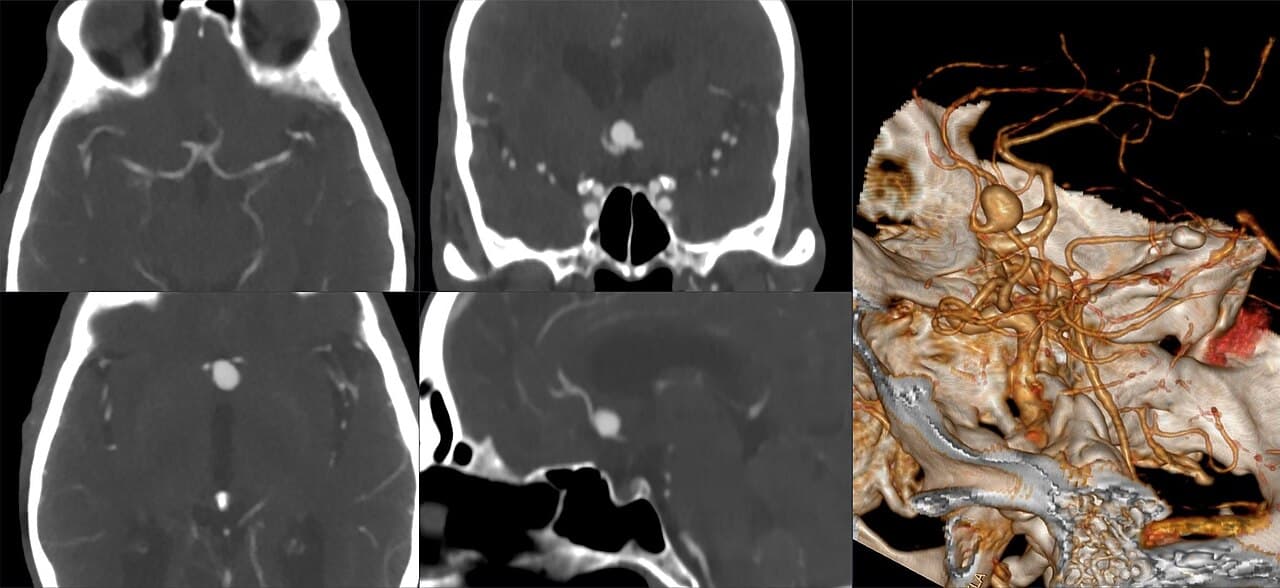
Brain aneurysms, weak bulges in the walls of blood vessels, are often small and easy to miss on scans, yet finding them early can matter enormously. A study from Northwell Health in New York, published in the Journal of the American College of Radiology and reported by Medical Dialogues on 5 November 2026, suggests that artificial intelligence can help radiologists catch more of them.
The team, led by Shlomit Goldberg-Stein, director of artificial intelligence in Northwell’s department of radiology, ran a commercially available, FDA-cleared algorithm from the company Aidoc in “shadow mode.” That meant the AI analysed scans in the background while radiologists, who could not see its results, read them as usual. The study covered 3,856 consecutive brain CT angiography exams performed between 7 November and 19 December 2023 across inpatient, emergency and outpatient settings. Of these, 195 (5.1%) were positive for aneurysms. The AI and the radiologists agreed in 96.3% of cases, and neuroradiologists reviewed every case where they disagreed.
The AI’s sensitivity was 84.6%, compared with 71.8% for radiologists, while specificity was almost identical at 98.7% versus 98.5%. In practice, the tool found 55 true aneurysms that radiologists had missed, a 39% relative increase in detection. More than half of those AI-only finds, 31 of 55, were smaller than 3 millimetres. The benefit varied by setting: detection rose by 78.3% for inpatients and 37.1% in the emergency department, but only 14.1% for outpatients, where the balance between extra findings and extra false alarms was less favourable.
The authors concluded that the tool showed favourable overall performance and could serve as a complementary aid to radiologists reading brain CT angiography, not a replacement for them. They also recommend that hospitals evaluate AI within their own real-world workflows before widespread use, since its value depended on the care setting. Still, the results show how a second set of algorithmic eyes, used carefully, can help clinicians spot dangerous findings that might otherwise slip through.
Why it matters
Missed aneurysms can rupture with devastating consequences, so an AI second reader that catches more of them, especially small ones, could help doctors act sooner.
Sources
What you can do
Read the study summary at Medical Dialogues, and seek urgent care for a sudden, severe ‘worst-ever’ headache, a recognised warning sign of a ruptured aneurysm.