

Bleached Corals Recovered in Weeks After Touching Healthy Twins, Stanford Lab Study Finds
In a Stanford laboratory experiment published in Science Advances, bleached coral fragments that touched a healthy, genetically identical fragment regained their algae and recovered within seven weeks, while fragments kept a few millimetres apart died. The method is not ready for reefs, but it reveals how fast corals can heal.
ScienceGNGV Editorial Team3 min readLast reviewed November 9, 2026
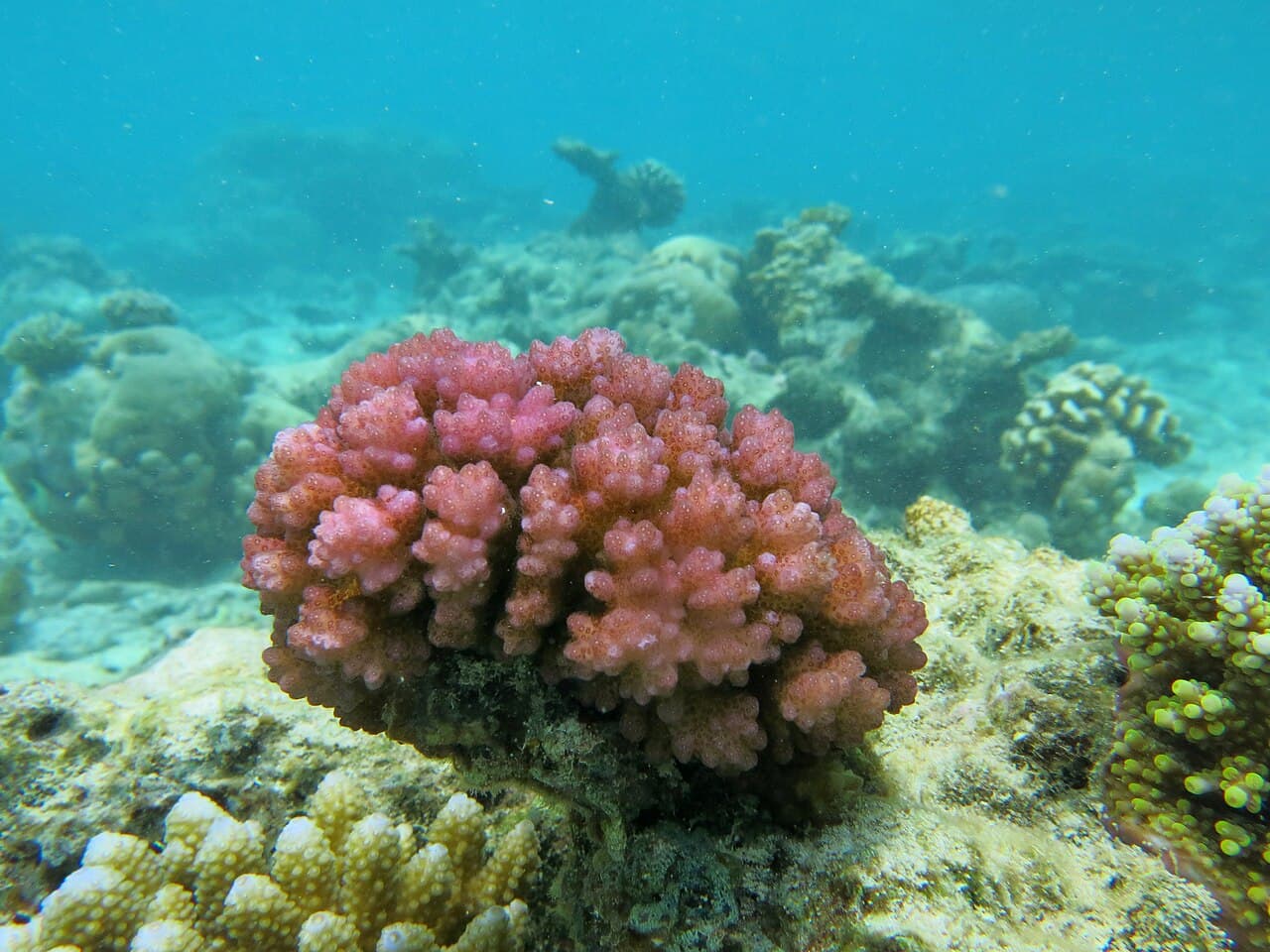
When ocean water gets too hot, corals expel the symbiotic algae that live in their tissue and supply most of their energy. The result is bleaching: white, starving coral that can take months or years to recover, if it recovers at all. A new laboratory study from Stanford University, published in Science Advances and reported by Euronews on 15 October 2026, suggests the healing process can be dramatically faster under the right conditions.
The idea began with an accident. In 2025, marine biologist Steve Palumbi noticed that two coral pieces in a lab tank, one healthy and one bleached, had fallen against each other, and the bleached piece was regaining colour where they touched. PhD student Danny Collins then set up 10 pairs of fragments, each pair cut from the same colony. In five pairs the healthy and bleached pieces touched; in the other five they were kept a few millimetres apart. Within seven weeks, all five bleached fragments in contact had recovered, while every bleached fragment kept apart died.
Under the microscope, the touching corals had fused and formed tiny channels that let algae and nutrients pass between them. Beneficial algae moved into the bleached coral within three days, and after about a week some fragments had enough to recover on their own. In the second week the algae doubled every four days, which the article describes as roughly ten times faster than in wild corals. “While bleached corals may be dying, they are not dead yet,” Collins said.
The researchers are clear about the limits. Tissue fusion only works between genetically identical corals, so every damaged coral would need a healthy twin, which makes the technique impractical for whole reefs. The sample was small and the work was done in the lab. Palumbi stressed that the method helps recovery after heatwaves but does not protect corals from heat itself. The team now hopes to find ways to deliver beneficial algae without direct contact. Against a backdrop in which reefs lost almost 9% of their coral cover during the 2023–2024 global bleaching event, according to the Global Coral Reef Monitoring Network, the finding offers a hopeful new direction for restoration research.
Why it matters
Bleaching is one of the biggest threats to coral reefs, and this experiment shows that recovery can be far faster than scientists assumed once the right algae are restored.
Sources
What you can do
Read the full report at Euronews, and when visiting reefs choose operators that follow reef-safe practices such as no touching or anchoring on coral.