

Seabirds and Native Plants Could Help Tropical Atolls Keep Pace With Rising Seas
A study of 28 atoll islands in the Indian and Pacific oceans, published in Science Advances, found that reefs around rat-free islands with thriving seabird colonies grew up to 2.5 times faster, produced more sand-building sediment and were backed by better-anchored soils.
ScienceGNGV Editorial Team5 min readLast reviewed October 26, 2026
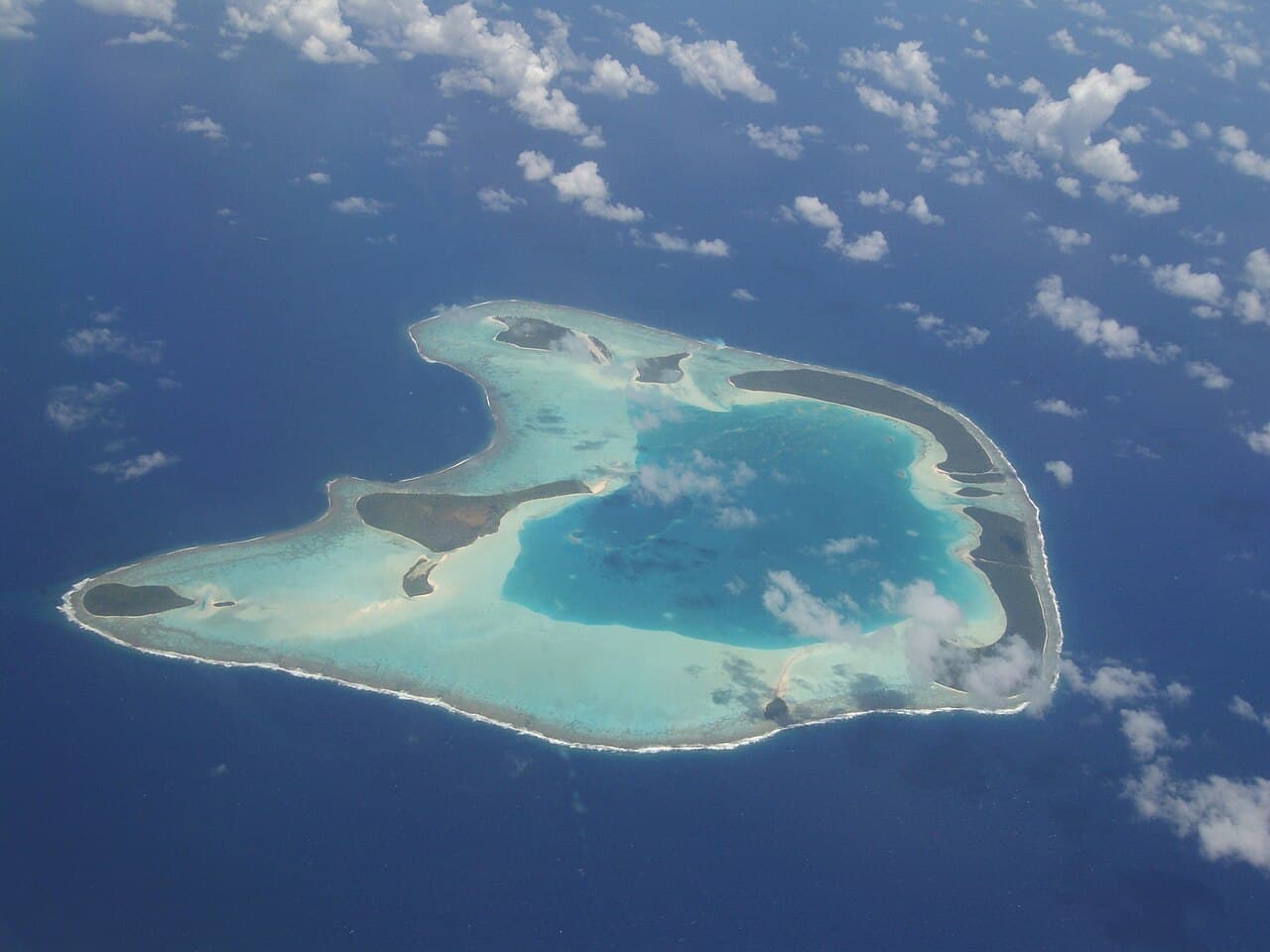
Low-lying atoll islands are among the places most exposed to rising seas, but new research suggests nature can give some of them a better chance. A study published in Science Advances on 14 October 2026 and led by Distinguished Professor Nick Graham of Lancaster University found that restoring seabirds and native vegetation strengthens the natural processes that keep atolls above water.
The team combined ecological data from 28 atoll islands in the Seychelles and the Chagos Archipelago in the Indian Ocean and on Tetiaroa atoll in French Polynesia. Using seabird census data, they estimated how much energy and nutrients birds carry from the open ocean to each island, and how those nutrients affect the island and its surrounding reefs. Co-authors came from The Nature Conservancy, the University of Exeter, the University of Oxford and the University of Seychelles, and the work was funded by the Bertarelli Foundation.
Three benefits stood out. First, reef growth on lagoon-facing and ocean-facing reefs around rat-free islands with healthy seabird populations was 1.8 and 2.5 times greater than around rat-infested islands. Second, sediment production, the sand and rubble that builds islands, was 2.3 to 2.8 times higher around seabird islands, partly because of more parrotfish. For an island of around 14 hectares, that is roughly 170 extra cubic metres of sediment a year. Third, fine root length was 4.6 times higher where native vegetation was abundant, helping to bind soil far better than coconut palms.
According to co-author Dr Casey Benkwitt, lagoon reef growth on rat-free islands with seabirds would be enough to closely keep up with sea-level rise projected to the end of the century under 2°C of warming, while reefs without seabirds would have limited ability to do so. "Replacing old, abandoned coconut palm tree plantations with natural vegetation, and restoring seabird populations by eradicating invasive rats, could be key to the survival of these tiny low-lying islands," Graham said.
The findings come with caveats. Many figures are estimates of potential growth rather than direct measurements of island change, the projections depend on a 2°C scenario, and Positive News notes that the researchers stress rapid emission cuts remain essential. Still, as co-author Dr Jennifer Appoo points out, rewilding could be a low-cost option for sparsely inhabited atolls where engineering solutions are not feasible.
Why it matters
It points to a practical, nature-based way to help some of the world's most vulnerable islands cope with rising seas, alongside cutting emissions.
Sources
What you can do
Read Lancaster University's summary of the study and support island restoration charities working on invasive species removal.


