

WHO Verifies Thailand Has Eliminated Rubella as a Public Health Problem
Thailand has become the seventh country in the WHO South-East Asia Region to eliminate rubella, a vaccine-preventable disease that can cause miscarriage and lifelong birth defects when caught during pregnancy.
HealthGNGV Editorial Team4 min readLast reviewed September 28, 2026
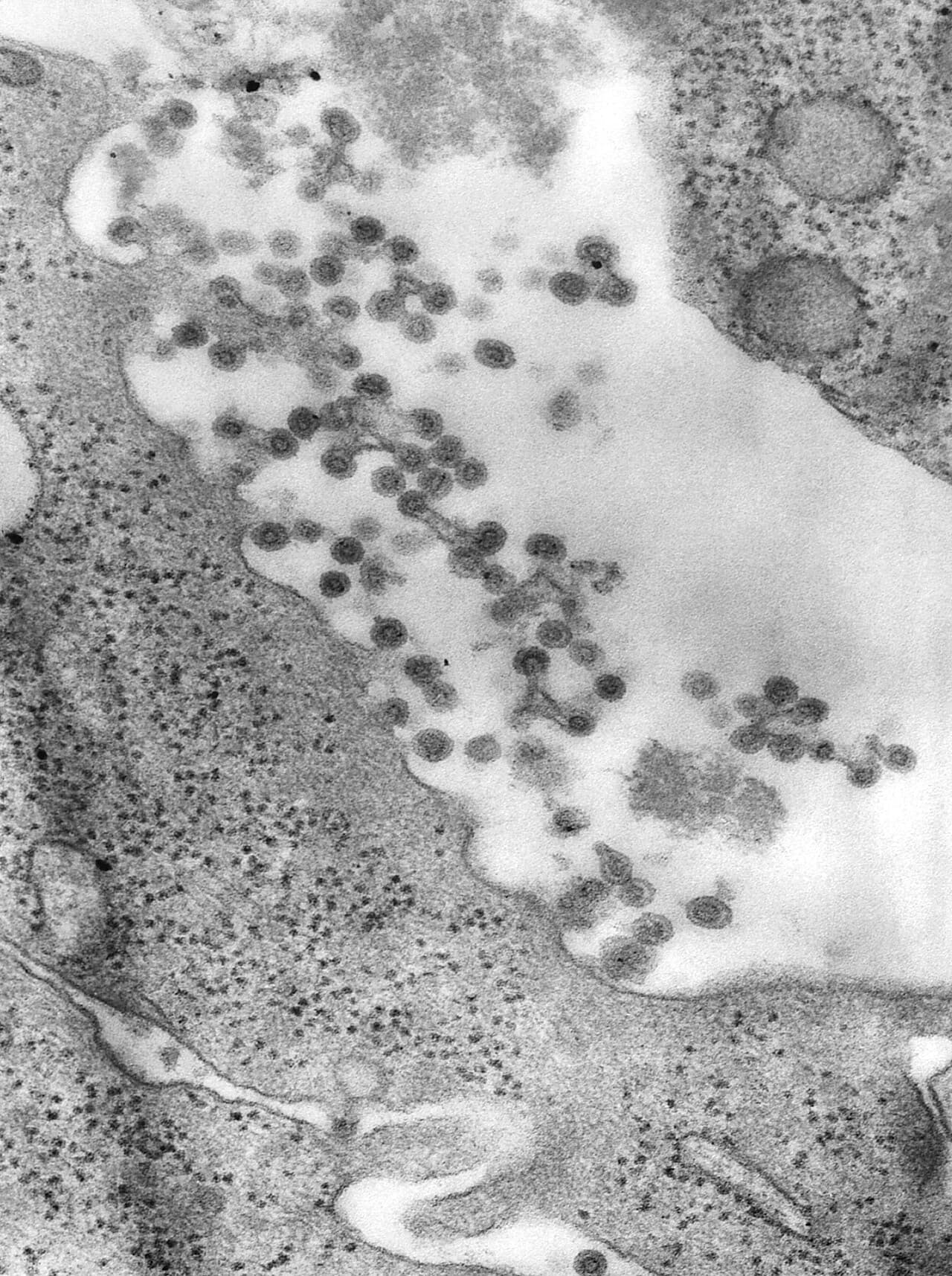
Thailand has reached a public health milestone decades in the making. On September 5, 2026, the World Health Organization announced that the country has been verified for eliminating rubella as a public health problem, a major step in protecting children, women and families from a vaccine-preventable disease.
Rubella is often mild in children, but it can be devastating during pregnancy. Infection in an expectant mother can cause miscarriage, stillbirth or congenital rubella syndrome, a condition associated with lifelong birth defects. That is why eliminating the virus matters so much for the health of future generations.
Thailand's success rests on a long commitment to immunization. The country's national programme began in 1977. Rubella vaccine was introduced in 1986 for six-year-old girls in primary school, and in 1993 it was extended to all children at the age of one. Before granting verification, the WHO South-East Asia Regional Verification Commission reviewed Thailand's disease surveillance data, molecular epidemiology, immunization coverage and outbreak response at its annual meeting on June 22 and 23, 2026, followed by a verification field visit in July.
“Thailand has shown that rubella elimination is achievable when strong political commitment, resilient immunization services, high-quality surveillance and community trust come together,” said Dr Nilesh Buddha, WHO South-East Asia Region Officer-in-Charge. Thailand's Minister of Public Health, Pattana Promphat, called the verification “a proud moment for Thailand and a tribute to decades of commitment by our health workers, volunteers, partners and communities.”
Thailand is now the seventh country in the region to eliminate rubella, joining Bhutan, DPR Korea, Maldives, Nepal, Sri Lanka and Timor-Leste. Four of those countries have eliminated both measles and rubella. Elimination does not mean the work is over: keeping the disease away depends on continued high vaccination coverage and careful surveillance to catch any imported cases quickly. But for families across Thailand, the verification is recognition that decades of routine vaccination have paid off.
Why it matters
Rubella during pregnancy can cause miscarriage and lifelong birth defects, so eliminating it protects future generations and shows what sustained routine vaccination can achieve.
Sources
What you can do
Check that your family's routine vaccinations, including measles-rubella or MMR, are up to date with your doctor or local health service.


