
Wild Siberian Tigers and Amur Leopards Have Multiplied in China’s Northeast National Park
Five years after China created its first national parks, officials report that wild Siberian tigers in the Northeast China Tiger and Leopard National Park have risen from 27 to 72 and Amur leopards from 42 to 115. Tibetan antelope, Hainan gibbons and giant pandas have also benefited from habitat protection.
AnimalsGNGV Editorial Team3 min readLast reviewed November 9, 2026
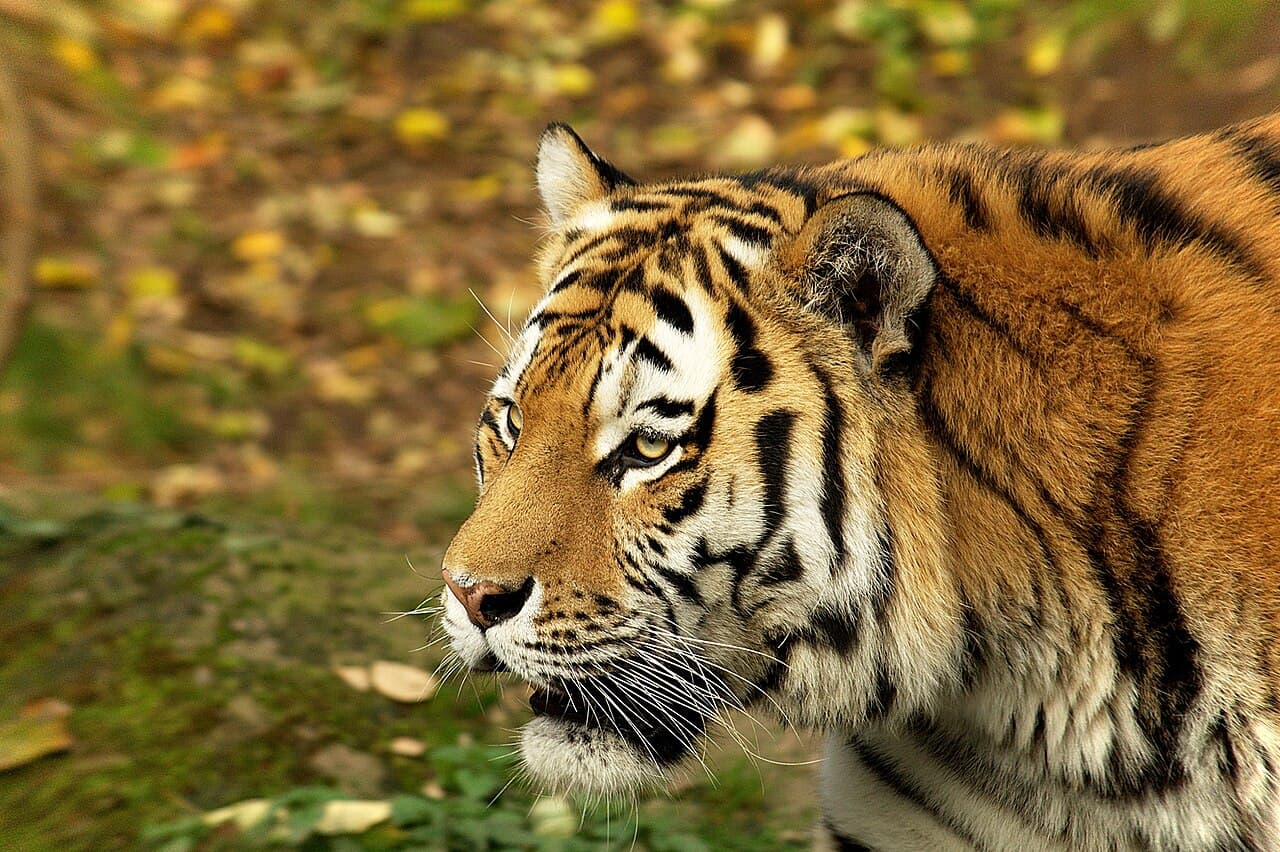
Two of the world’s most endangered big cats are recovering in the forests of northeast China. On 12 October 2026, the fifth anniversary of the country’s first national parks, the National Forestry and Grassland Administration announced that the number of wild Siberian tigers in the Northeast China Tiger and Leopard National Park has grown from 27 when the park was established to 72 today. Wild Amur leopards have increased from 42 to 115 over the same period, China Daily reported.
The figures come with striking field evidence. In 2025, cameras captured a wild tigress with five cubs, which Yu Hongxun, deputy director of the park administration’s Hunchun branch, called “the first such case in the history of wild Siberian tiger and Amur leopard conservation in China.” Officials credit habitat restoration, the construction of ecological corridors and tighter controls on human activity, along with monitoring that combines satellite remote sensing, drones, infrared cameras and artificial intelligence.
The tiger and leopard park is one of five national parks China officially established on 12 October 2021, alongside Sanjiangyuan, Giant Panda, Hainan Tropical Rainforest and Wuyishan. Together they cover about 230,000 square kilometres and have integrated more than 120 protected areas. Other species are also doing better: Tibetan antelope in Sanjiangyuan now number more than 70,000, up from fewer than 20,000 before a pilot program began in 2015, and the Hainan gibbon population has reached seven groups with 44 individuals, which the administration describes as the only gibbon population in the world that is still growing. In Giant Panda National Park, 13 ecological corridors now connect previously isolated panda populations.
People are part of the model too. Nearly 50,000 local residents are employed as ecological rangers, earning 12,000 to 21,000 yuan a year, and the country has adopted a dedicated National Park Law. During its 2026–2030 five-year plan, China says it will establish new parks, continue habitat and corridor work and improve compensation for residents affected by wildlife. The numbers are official estimates, but for animals that once seemed close to vanishing from China, the trend is clearly upward.
Why it matters
Tigers and leopards need vast connected forests, so rising numbers suggest that protecting habitat at landscape scale, with local residents involved, can bring top predators back.
Sources
What you can do
Read the full report in China Daily, and never buy products made from big cats or other wildlife, which fuels poaching.