
Gorilla Rescued From Traffickers as an Orphan Gives Birth in the Wild in Virunga
Lulingu, an eastern lowland gorilla taken by wildlife traffickers as a baby and raised at the GRACE sanctuary, has given birth on Mount Tshiaberimu in DR Congo's Virunga National Park, a first proof that rewilding can help this critically endangered population.
AnimalsGNGV Editorial Team4 min readLast reviewed October 5, 2026
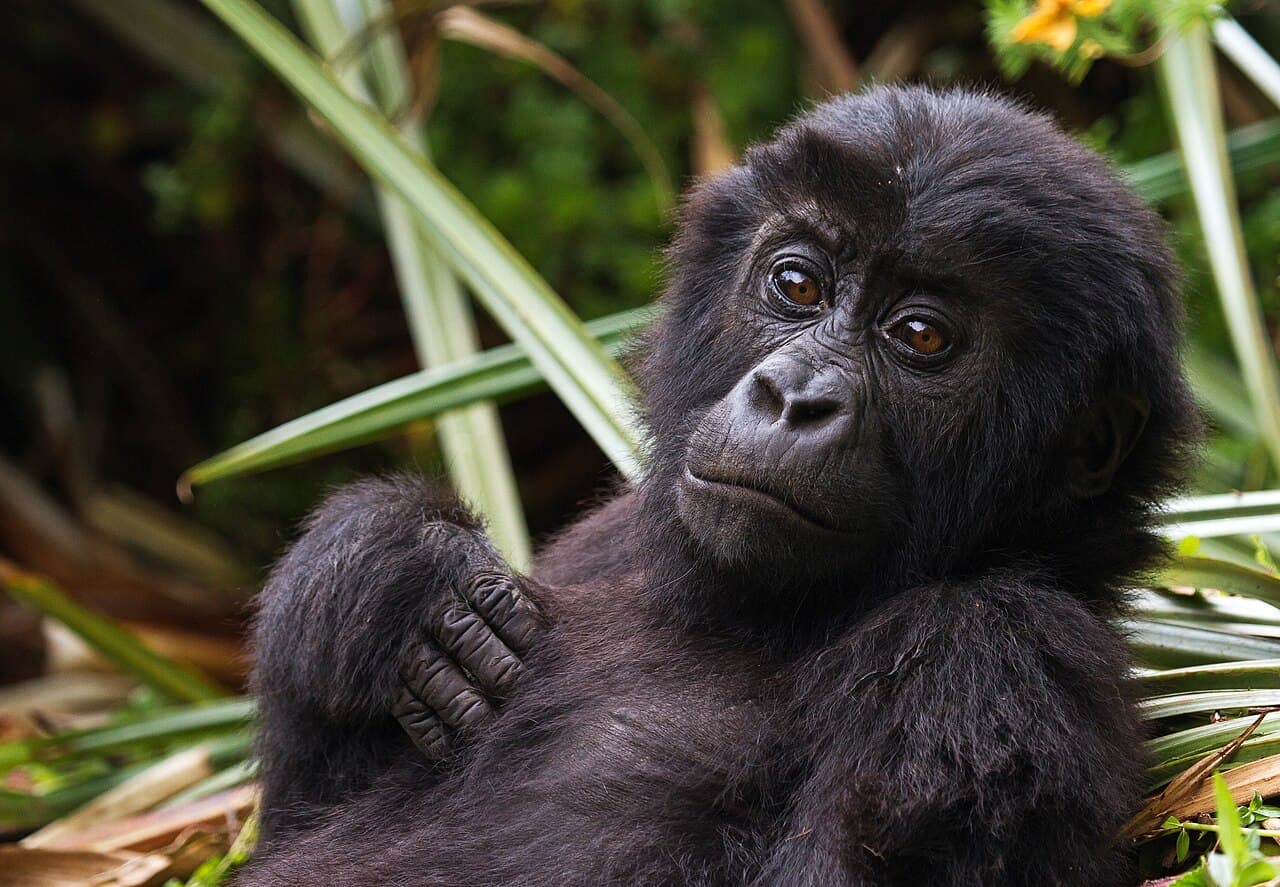
In a remote corner of the Democratic Republic of the Congo, a young gorilla mother is quietly proving that a second chance can work. Lulingu, an eastern lowland gorilla (also known as Grauer's gorilla) who was rescued from the illegal wildlife trade as an orphan, gave birth in the wild on 21 May 2026 on Mount Tshiaberimu, in Virunga National Park. Conservation group Re:wild announced the birth on 10 September, after the team had watched mother and baby through their first months.
Lulingu's story began badly. She was only 18 months old when she was taken from her family and sold into the wildlife trade. The Congolese Nature Authority (ICCN) and Gorilla Doctors rescued her, and she was raised at GRACE, the only sanctuary in the world dedicated to rescued eastern lowland gorillas. At the end of 2024 she was one of four females, together with Isangi, Mapendo and Ndjingala, moved from the sanctuary in Kasugho to Mount Tshiaberimu, after a rewilding effort that took more than five years.
The move had a clear purpose. The gorillas on Mount Tshiaberimu are a small, isolated and critically endangered group, and a population viability analysis had concluded that without the addition of breeding females it faced a high risk of extinction within 50 years. The baby's father is Mwasa, a wild silverback living on the mountain, a sign that Lulingu has truly joined the wild group.
The early signs are good. "None of the four females have required veterinary treatment for illness or injury since being rewilded, the outcome we always hope for," said Dr Cedric Kibengo, a field veterinarian with Gorilla Doctors, adding that mother and infant are both healthy. "Lulingu is doing a great job taking care of the baby and is central to the family group," said Benoit Ishaba, head of gorilla monitoring.
The partners are careful not to overstate it. Katie Fawcett, GRACE's executive and science director, called the birth "a milestone for the gorillas" but said the team is "cautiously optimistic" about how Lulingu will manage motherhood. Still, as Re:wild's Africa programme lead Mary Brown put it, each healthy infant is "a sign of resilience, recovery, and what is possible."
Why it matters
The birth suggests that gorillas rescued from trafficking can rejoin wild groups and breed, offering a lifeline to an isolated population that faced a high risk of extinction.
Sources
What you can do
Never buy wild animals or products made from them, and read more about the rewilding project from Re:wild and Virunga National Park.