

Germany Publishes a Roadmap to Phase Out Coal, Oil and Gas in Its Energy Sector by 2045
Presented at the UN General Assembly, Germany's plan sets out how electricity, transport, heating and industry will move off fossil fuels by 2045, making it the third European country after France and the Netherlands to publish such a roadmap. Campaigners welcomed it but want faster action.
EnvironmentGNGV Editorial Team5 min read
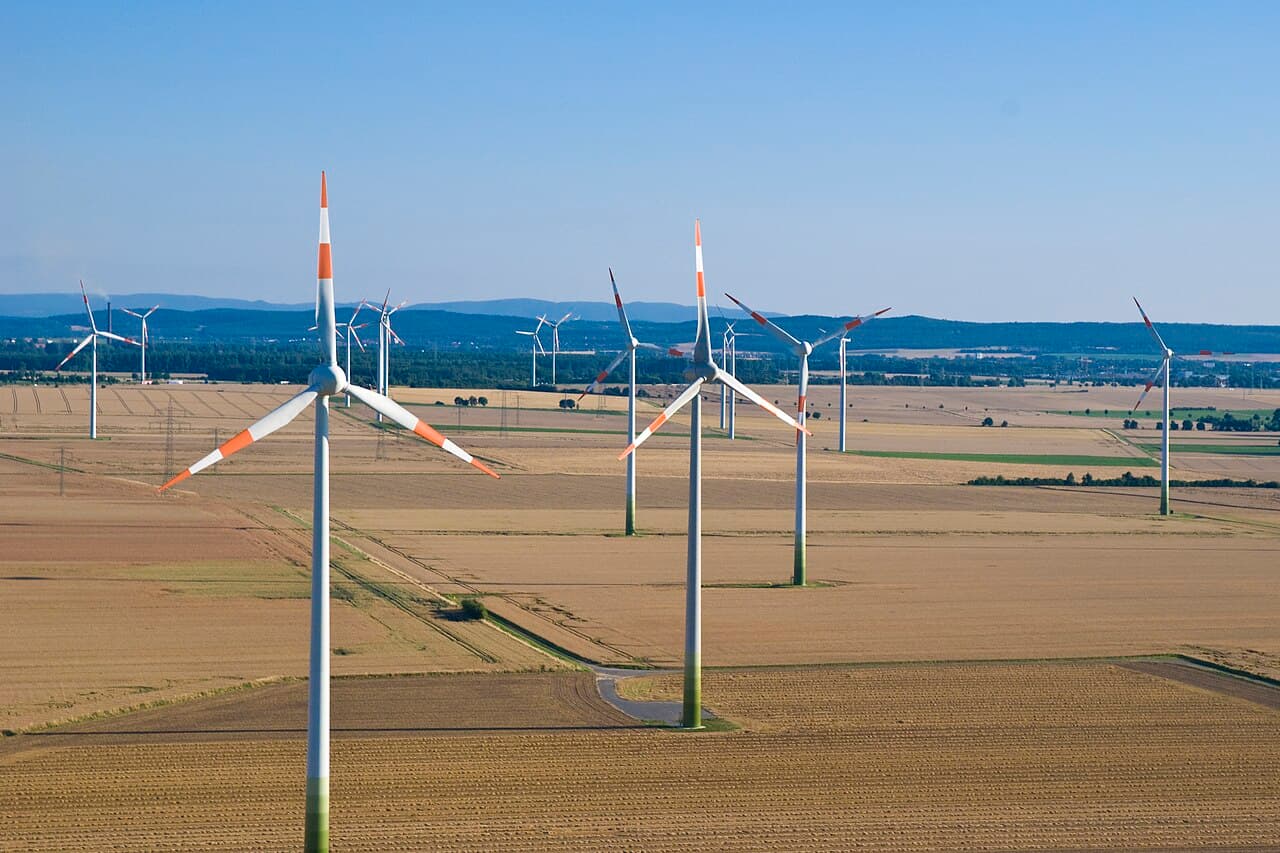
Europe's largest economy has put a date on leaving fossil fuels behind in its energy system. On September 23, 2026, at the United Nations General Assembly in New York, Germany published a national roadmap to phase out coal, oil and gas in the energy sector by 2045. Environment Minister Carsten Schneider presented it, saying: “It is important to ensure that transitioning away from fossil fuels remains high up on the international agenda.”
The plan covers four big areas: electricity, transport, heating and industry. In power generation, renewables supplied about 55% of Germany's electricity last year, and the government wants that share to reach at least 80% by 2030, including by installing 2,000 additional wind turbines. All coal plants must close by 2038 at the latest, and the government is examining whether that date could be brought forward to 2035.
For transport, the roadmap includes 2.8 billion euros in subsidies for electric vehicles and the goal that all new cars be electric by 2035. In buildings, heat pumps are meant to replace gas and oil boilers, and suppliers of heating fuels will have to ensure that 60% of what they sell is climate-neutral by 2040. Industry is expected to switch to electricity and hydrogen, with carbon capture for emissions that are hard to avoid.
Germany is the third European country to publish a national fossil fuel phase-out roadmap, after France and the Netherlands. France has set end dates of 2030 for coal, 2045 for oil and 2050 for gas, while the Netherlands aims to “minimise” fossil fuel use by 2050 without binding dates.
The plan was welcomed with reservations. Jennifer Morgan called it “welcome” but said the world needs a “faster, more deliberate and just phase-out,” while Laurie van der Burg of Oil Change International argued that the effort is “not commensurate with the reality of the crisis.” Delivering it will depend on funding, public support and future governments. Still, a detailed, sector-by-sector timetable from a major industrial economy gives the global shift away from fossil fuels something concrete to build on.
Why it matters
A detailed, dated plan from a major industrial economy shows other countries how a fossil fuel phase-out can be organised sector by sector, even though critics say it should go further and faster.
Sources
What you can do
Read the full analysis at the source, and if you are considering a new heating system or car, look into heat pumps and electric options available where you live.