

London's Clean Air Zone Linked to Faster Lung Growth in Children, Five-Year Study Finds
A study of more than 3,400 primary school children found that after London's Ultra Low Emission Zone cut traffic pollution, children's lung function caught up with that of peers in Luton, where there is no clean air zone.
EnvironmentGNGV Editorial Team5 min readLast reviewed September 28, 2026
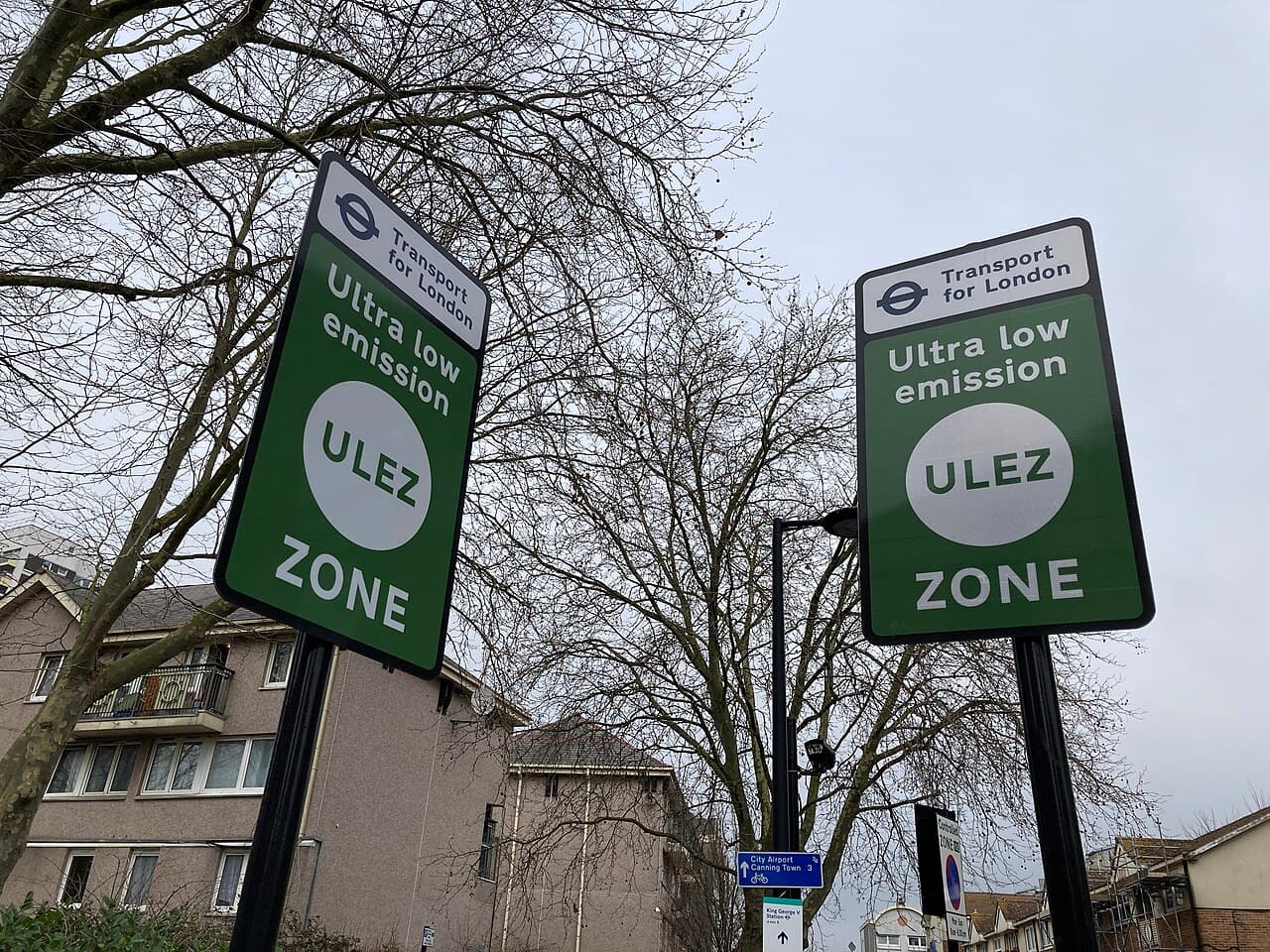
Cleaner air in London appears to be helping children's lungs grow. A five-year study published in The Lancet Public Health has found that improvements in air quality after the introduction of London's Ultra Low Emission Zone (ULEZ) were strongly associated with faster lung growth in primary school children.
The Children's Health in London and Luton (CHILL) study, led by Queen Mary University of London, followed more than 3,400 children aged six to nine from 84 primary schools between 2018 and 2022. Luton, a town with a similar mix of traffic pollution but no clean air zone, served as the comparison. Researchers from Imperial College London and the universities of Bedfordshire, Oxford, Cambridge, Edinburgh and Southern California also took part, and the work was funded by the National Institute for Health and Care Research.
After the ULEZ was introduced, London children's exposure to nitrogen dioxide fell twice as fast, and by more than twice as much, as that of children in Luton. Their lungs responded. A key measure of lung function, the volume of air a child can breathe out in one second, increased by about 10 millilitres a year more in London than in Luton, so that after five years the two groups were comparable. The share of London children with clinically impaired lung function fell from 14% to 9%, compared with a fall from 9% to 7% in Luton.
“We already knew that the ULEZ reduced air pollution but now we know that children's lung health has improved at the same time,” said Helen Wood of Queen Mary, the study's lead author. Chris Griffiths, of Queen Mary and the University of Oxford and one of the study's senior authors, called it “the strongest evidence yet on how these harms can be prevented.” Ian Mudway of Imperial College London, also a senior author, said cities need “bold and ambitious measures.”
There are caveats. As Anna Hansell of the University of Leicester, who was not involved in the research, told Positive News, an observational study cannot prove that the zone alone caused the change. And air pollution in both London and Luton remains above World Health Organization guideline levels, so “there is still work to be done,” Wood noted. Still, the findings suggest that when cities clean up their air, children's bodies can recover.
Why it matters
Lung growth in childhood shapes health for life, so evidence that cutting traffic pollution helps children's lungs catch up strengthens the case for clean air policies in cities worldwide.
Sources
What you can do
Where you can, walk, cycle or use public transport for school runs, and check local air quality information; read the full study summary at the source.


