Large Study Links Statin Use to Lower Glaucoma Risk and Fewer Eye Surgeries
Researchers at UC San Diego compared more than 210,000 people who took cholesterol-lowering statins with 210,000 who did not and found a 15% lower risk of open-angle glaucoma. People with glaucoma who took statins were also less likely to need surgery, though the observational study cannot prove cause and effect.
HealthGNGV Editorial Team4 min readLast reviewed October 12, 2026
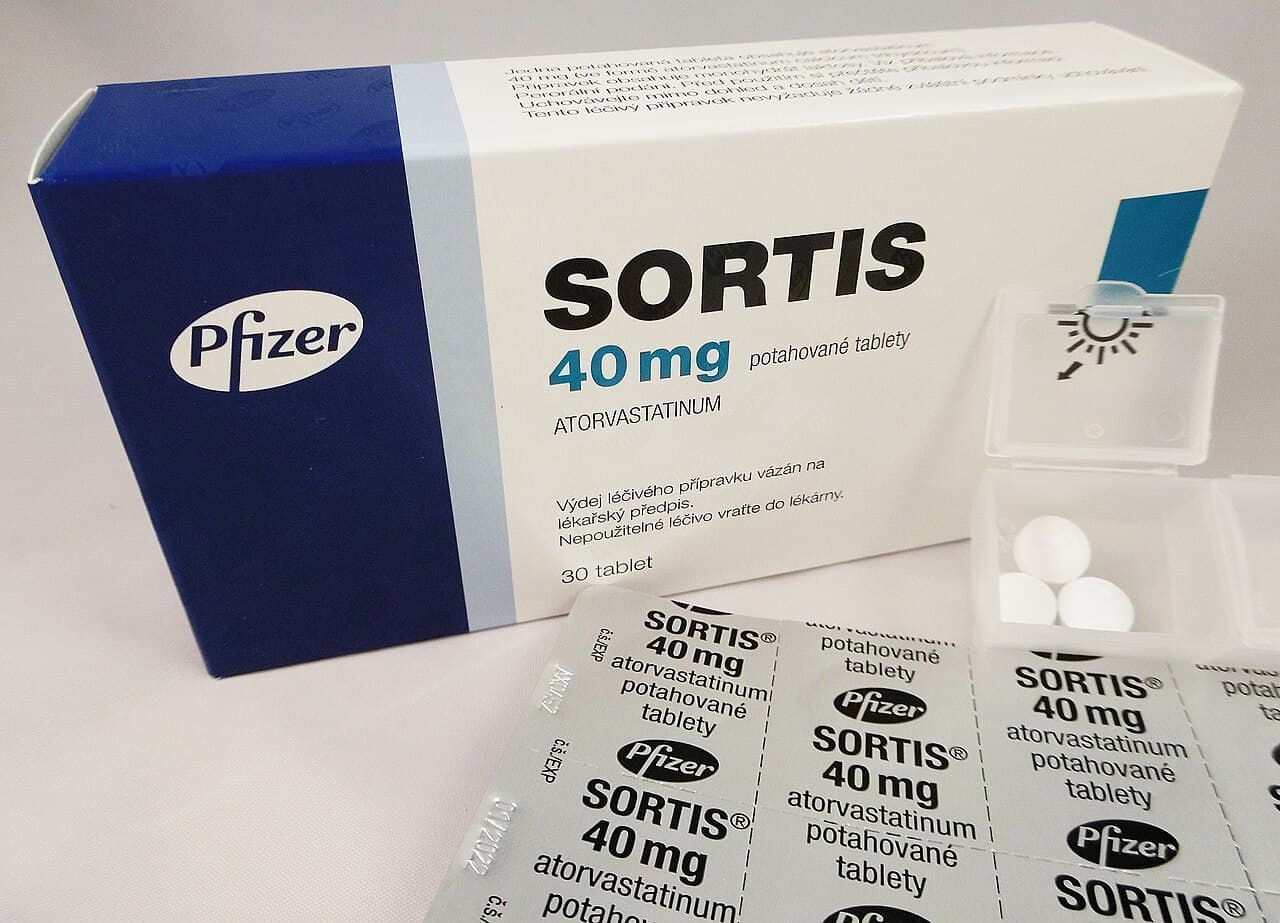
Statins, the widely prescribed drugs used to lower cholesterol, may also be good news for the eyes. A study from UC San Diego, published online in the British Journal of Ophthalmology, found that people who took statins had a lower risk of developing open-angle glaucoma, the most common form of a disease that permanently damages the optic nerve and can lead to blindness.
The team searched a global database of health records covering 165 million people. They compared more than 210,000 people with a record of statin use between August 2006 and August 2026 with a matched group of 210,000 people with no record of statin use; everyone included had a recorded eye-care follow-up. Statin use was associated with a 15% lower risk of open-angle glaucoma. After five years, there were 4,771 new diagnoses in the statin group (2.3%) compared with 5,491 in the comparison group (2.6%).
A second analysis looked at more than 30,000 people with glaucoma who took statins and almost 250,000 who did not. At five years, statin use was associated with a 36% lower risk of incisional glaucoma surgery, a 55% lower risk of minimally invasive glaucoma surgery, a 60% lower risk of selective laser trabeculoplasty and a 12% lower risk of needing pressure-lowering eye drops. These associations were still present at 10 years.
The researchers are clear about the limits. The study is observational, so it cannot show that statins cause the lower risk, and the team did not have individual patient data such as eye-pressure readings or surgical details. Prospective randomised trials are needed. "If this association is confirmed in future studies, it could have implications for a very large number of people," said Robert Weinreb, who directs the Hamilton Glaucoma Center at UC San Diego's Shiley Eye Institute and led the work.
Earlier studies had suggested statins might help prevent or slow the death of nerve cells, but their role in glaucoma was poorly understood. The research was funded in part by Research to Prevent Blindness, and the authors reported no conflicts of interest.
Why it matters
Glaucoma steals sight slowly and permanently, so any widely available medicine that might lower the risk is worth testing properly in clinical trials.
Sources
What you can do
Do not start or stop statins on the strength of this study; instead, keep up regular eye examinations, which catch glaucoma early, and ask your doctor about your own risk.