

One-Time CRISPR Treatment Kept 'Bad' Cholesterol About Halved for a Full Year in Early Trial
In a first-in-human trial led by Cleveland Clinic, a single infusion of the gene-editing therapy CTX310 lowered LDL cholesterol by 52.5% and triglycerides by 47.8% at the highest dose, with the effect lasting a year and no serious treatment-related safety events.
HealthGNGV Editorial Team5 min readLast reviewed September 28, 2026
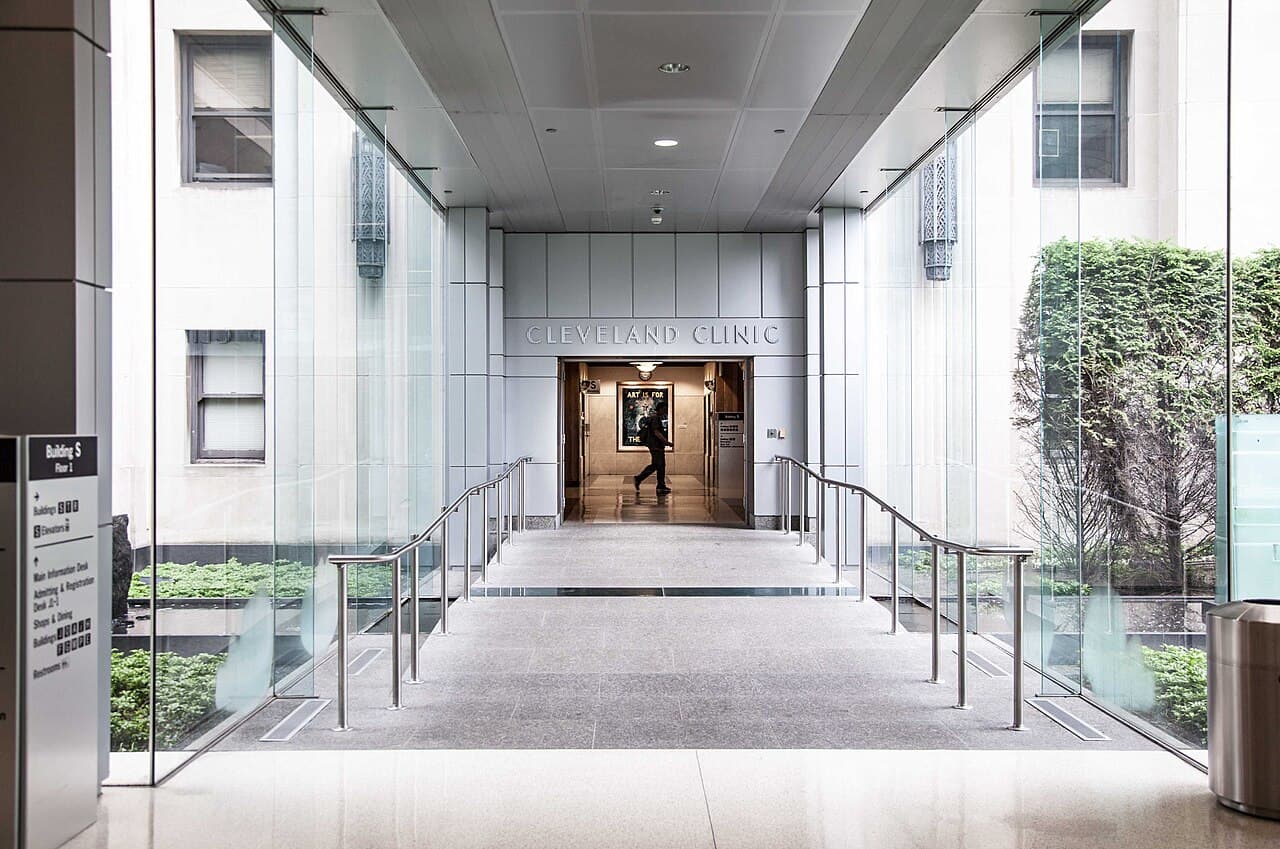
For millions of people, keeping cholesterol under control means taking pills every day for life. An early clinical trial suggests a very different approach may one day be possible. Researchers at Cleveland Clinic reported that a single infusion of CTX310, an experimental CRISPR-Cas9 gene-editing therapy, produced large and lasting drops in blood fats that held steady for a full year.
The one-year results were presented at the 2026 European Society of Cardiology annual meeting and published in the New England Journal of Medicine. The phase 1, first-in-human study enrolled 15 patients with lipid disorders that did not respond well to existing medicines. Each received one infusion, at doses ranging from 0.1 to 0.8 milligrams per kilogram, after pre-treatment with corticosteroids and antihistamines.
CTX310 works in the liver, where it switches off a gene called ANGPTL3 that helps regulate how much cholesterol and triglyceride circulates in the blood. At the highest dose, LDL, the so-called bad cholesterol, was 52.5% lower than at baseline after 12 months, and triglycerides were 47.8% lower. Just as important for a first test in people, there were no serious adverse events related to the therapy during the year of follow-up.
“The durability of the lipid-lowering effect was impressive,” said Luke Laffin, the Cleveland Clinic cardiologist who presented the findings. “It is encouraging that there were no serious safety events related to CTX310 in the trial.” High LDL cholesterol and triglycerides are major contributors to heart attacks and strokes, so a one-time treatment with a durable effect could eventually spare some patients a lifetime of daily medication.
The results come with clear caveats. Only 15 people took part, CTX310 remains experimental, and far larger trials will be needed to confirm both benefit and safety. Because the treatment permanently edits DNA, participants will be monitored for 15 years, as the US Food and Drug Administration recommends for gene-editing therapies. The study was funded by CRISPR Therapeutics, the company developing the treatment. Still, a year of steady results from a single dose is an encouraging first step.
Why it matters
High LDL cholesterol and triglycerides drive heart attacks and strokes; a durable one-time treatment could one day help patients whose levels stay high despite daily medication.
Sources
What you can do
Keep taking any cholesterol treatment your doctor prescribes, and ask them about your own numbers; read the Cleveland Clinic announcement for details on the trial.


