
Virginia Now Has 21 ‘Bee Cities’, the Second-Highest Number in the Country
Communities across Virginia are signing up to protect native pollinators. Following an early lead from Lynchburg, the state now has 21 certified Bee Cities, second only to North Carolina, and more towns are working towards the status, according to Heidi James of Bee City Lynchburg, speaking to WSET.
CommunityGNGV Editorial Team3 min readLast reviewed November 23, 2026
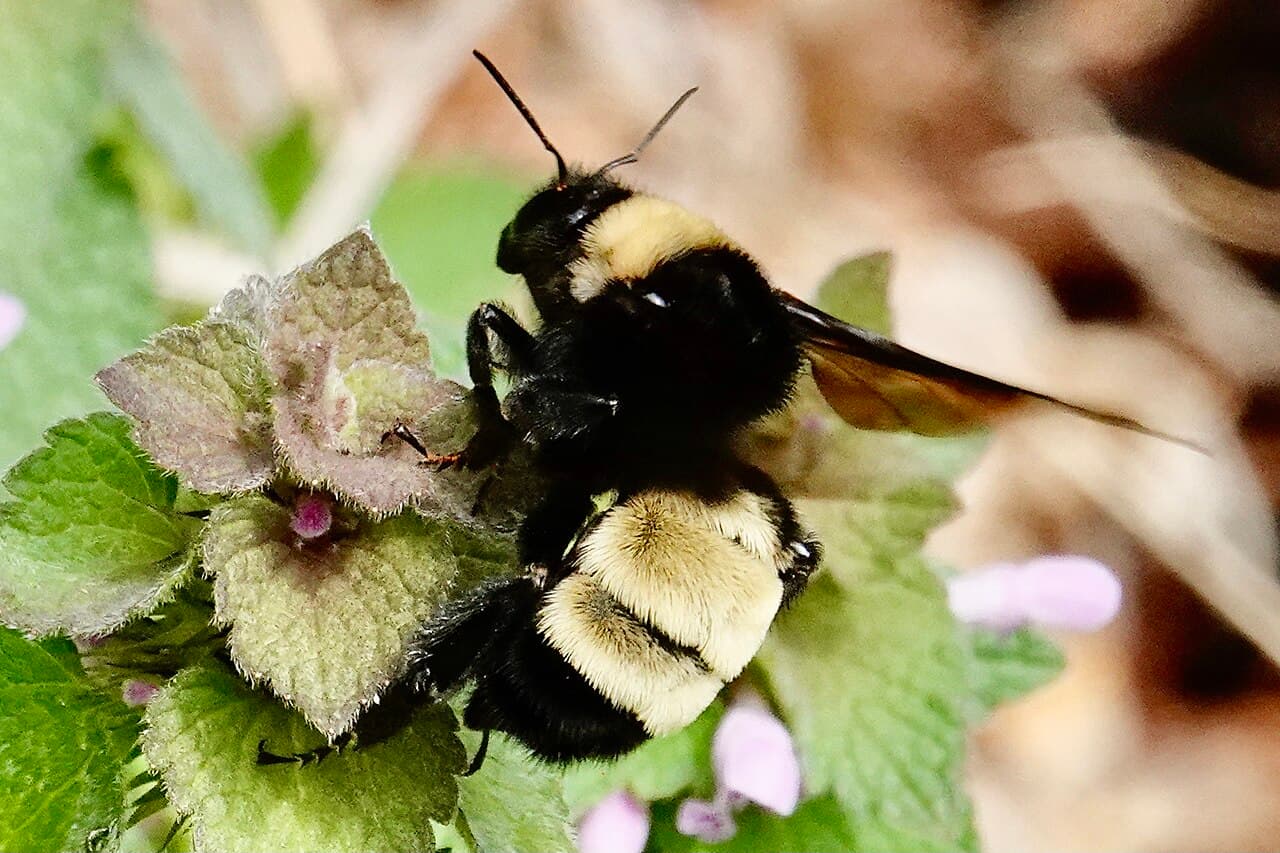
Each spring and summer, residents of Lynchburg, Virginia, are seeing more bees, and local advocates say it is part of a wider movement across the state. As WSET reported on 9 November 2026, Virginia now has 21 communities certified as ‘Bee Cities’, the second-highest number in the United States after North Carolina.
The Bee City USA programme is run by the Xerces Society, a nationwide non-profit that has supported native pollinators since the 1970s. Communities that join commit to making their public spaces friendlier to bees and other pollinators. Lynchburg was an early adopter. “Lynchburg was the second city in Virginia. And now there are 21,” said Heidi James of Bee City Lynchburg. “We’re creating an excellent network across Virginia of these cities.” According to James, Staunton, Lexington, Alexandria and several communities on the Eastern Shore are now working towards the designation.
The focus is on native species, not just the familiar honeybee. James pointed out that there are about 4,000 native bee species in the United States and more than 400 in Virginia alone, including bumblebees, sweat bees, mining bees and leafcutter bees. In James’s view, the Mid-Atlantic’s climate and its many conservation-minded communities make the region a natural fit for pollinator-friendly practices.
That often comes down to simple choices about what to plant. James encourages cities to favour native plants and trees, which James describes as cost-effective because they need less watering and are suited to local conditions, and to stop buying ornamental plants that need heavy care and pruning and often struggle in the local climate. Those changes help pollinators while saving councils money and effort.
The Bee City network is a small, practical example of local action adding up: each community makes its own changes, and together they create a patchwork of habitat across the state that bees can use.
Why it matters
Native bees pollinate crops and wild plants, and town-by-town commitments to native planting create a network of habitat across a whole state.
Sources
What you can do
Plant a few native flowering species in your garden or balcony, and ask your local council whether it could join a pollinator programme such as Bee City.