

Volunteers Experienced Their River as Salmon, Deer and Earthworms, Then Planned a 30-Year Campaign to Save It
In Somerset, 18 volunteers were trained in the senses of five local animals and then explored the pollution-hit River Tone from their point of view. The risks they found have been mapped in an online database and have shaped a long-term community campaign to revive the river.
CommunityGNGV Editorial Team4 min readLast reviewed October 26, 2026
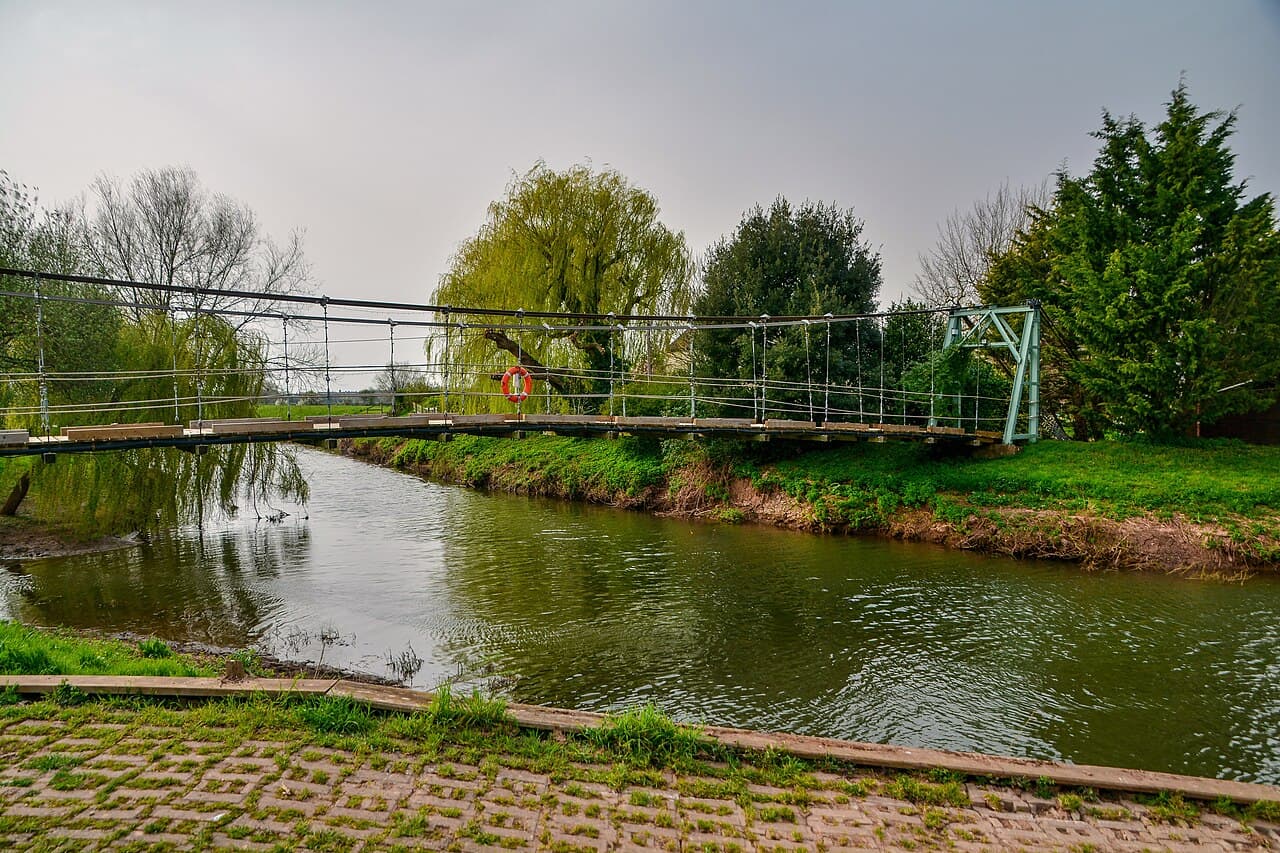
How does a polluted river feel to the creatures that live in it? In Somerset, England, a group of volunteers set out to find out, and what they learned has inspired a long-term plan to bring their river back to health. Positive News reported the story on 19 October 2026.
The research project, called Risks Beyond Human Eyes, was led by the University of the West of England and the Accelerator for Systemic Risk Assessment (ASRA), and funded by the Ecological Citizen Network. Eighteen volunteers were trained in the physiology and sensory abilities of a chosen animal, a red deer, kestrel, earthworm, otter or Atlantic salmon, and then went out along the River Tone to experience its world as closely as they could.
The results were eye-opening. Volunteer Jake Lawy, exploring as a salmon, swam through polluted, poorly oxygenated water and came away with practical ideas, such as switching off street lights near the river and removing old weirs. "Once you see it, you can't unsee it," Lawy said. A participant experiencing the landscape as a deer found that an earthwork piled behind a fence changed the smells so much that she could no longer tell where she was, and a soil ecologist exploring as an earthworm was unexpectedly overwhelmed by vibrations from a farm generator.
Phil Tovey, director of ASRA and a former Royal Marines Commando who devised the research, argues that counting populations cannot capture an individual animal's quality of life. The study has identified and mapped risks to wildlife in an online database, and the community has used it to develop a 30-year campaign to revitalise the River Tone. Its planning adapts an open-source Ministry of Defence document for complex, large-scale operations and draws on a global database of nonviolent action, and it is designed to step up to more assertive nonviolent tactics if earlier approaches fail.
It is early days: the article reports no measured changes to the river yet, and the finer details of the campaign are being kept confidential for strategic reasons. But the project offers a fresh, imaginative model for local river care, one that starts by asking what the river is like for those who cannot speak for themselves. A public webinar on the lessons learned is scheduled for 18 November.
Why it matters
Seeing a river through animals' senses helps communities spot hidden harms, such as light, noise and blocked passages, that standard surveys can miss.
Sources
What you can do
Read the full story at Positive News, and join or start a local river group to look after a waterway near you.