
MIT Team Uses AI to Design mRNA Vaccine Particles That Stay Stable at Room Temperature for a Year
Most mRNA vaccines must be stored between -20 and -80°C. MIT researchers have reformulated the fatty particles that carry the mRNA so that, in tests, vaccines stayed stable for up to a year at room temperature or two months at 37°C and still worked in mice. Human testing has not yet been reported.
InnovationGNGV Editorial Team4 min readLast reviewed October 12, 2026
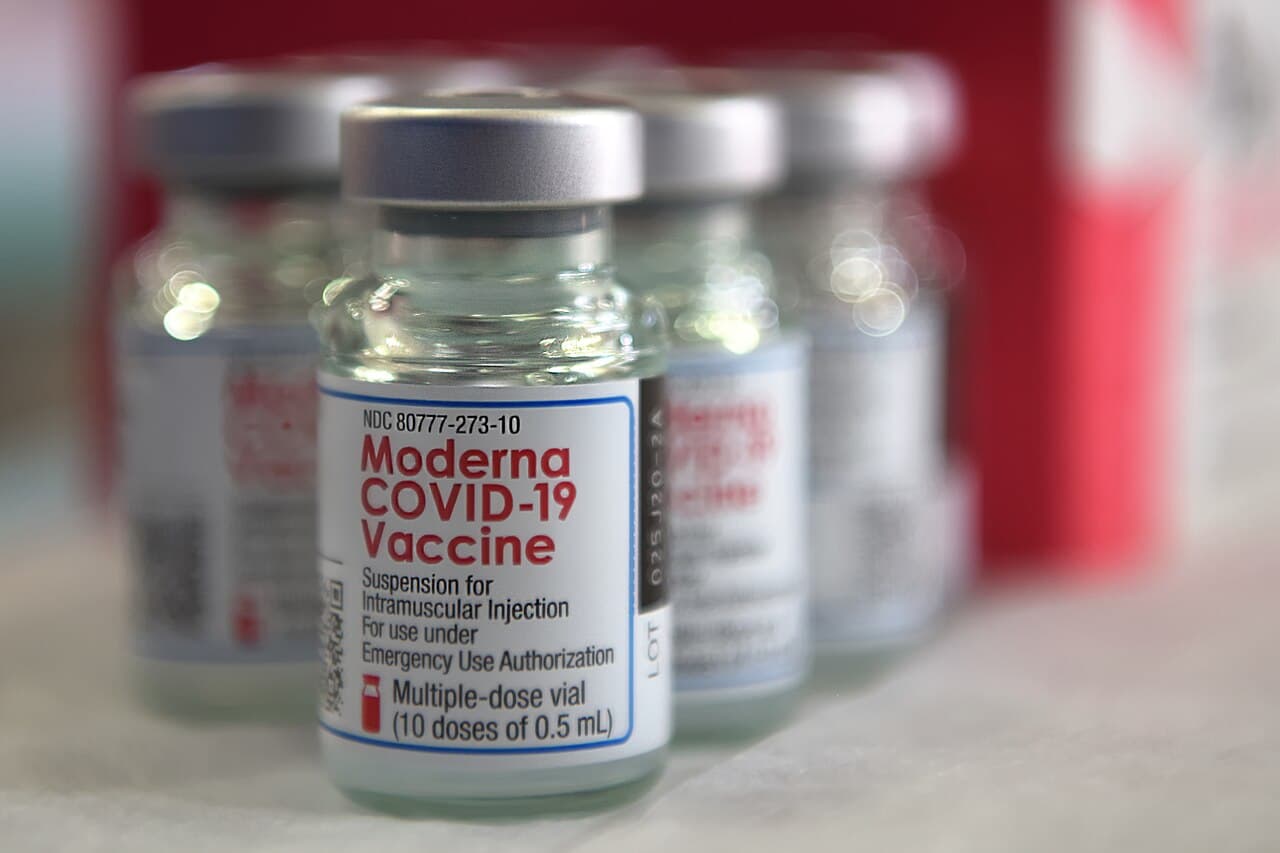
mRNA vaccines proved their value during the Covid-19 pandemic, but they have a practical weakness: standard formulations must be kept frozen at between -20 and -80°C, which makes them hard to deliver where cold storage is scarce. Researchers at MIT now report a way around that problem, using an AI algorithm to redesign the tiny fatty bubbles, called lipid nanoparticles, that carry the mRNA into cells.
In a study published in Nature Biotechnology, the team, led by Ana Jaklenec and Robert Langer of MIT's Koch Institute with lead authors Jinbi Tian and Khanh Tran, screened nearly 50 excipients, inactive ingredients already approved by the US Food and Drug Administration, to see which helped keep the particles stable. They picked five promising ones and then used an algorithm to predict the best ratios. The researchers tested two formulations at a time, fed the results back into the model and repeated the cycle over several rounds before choosing one for animal studies.
The process took a few weeks. Before using the AI, Tran said, several months of testing "nothing would get us to 100 percent stability". "The real beauty of this algorithm is that we can use it with small data sets," Jaklenec said.
The results are promising. Vacuum-dried particles made with the new formulation stayed stable at room temperature for up to one year, or at 37°C, close to 100°F, for two months. In mice, Covid-19 vaccines stored under heat produced immune responses equivalent to those from particles similar to the original Moderna formulation. Solid microneedle patches made with the formulation also produced an immune response similar to injected RNA vaccines, and the method stabilised a Pfizer-like formulation that uses the same ingredients in a different ratio.
The work is still at an early stage: all the animal results so far come from mice, and human trials have not been reported. The research was funded in part by the Gates Foundation, and if the approach holds up, it could make mRNA vaccines far easier to ship and store.
Why it matters
Vaccines that do not need deep freezing could reach rural clinics and hot regions far more easily, cutting costs and waste in global immunisation.
Sources
What you can do
Read the full MIT News article for details of the method, and keep your own vaccinations up to date through your local health service.