

Inside a Wisconsin Prison, Incarcerated Men Raise Monarch Butterflies for Their Journey to Mexico
At Redgranite Correctional Institution, about 20 incarcerated men care for monarch caterpillars each summer, then tag and release the butterflies to join the migration to Mexico, helping a species in decline.
Human StoriesGNGV Editorial Team4 min read
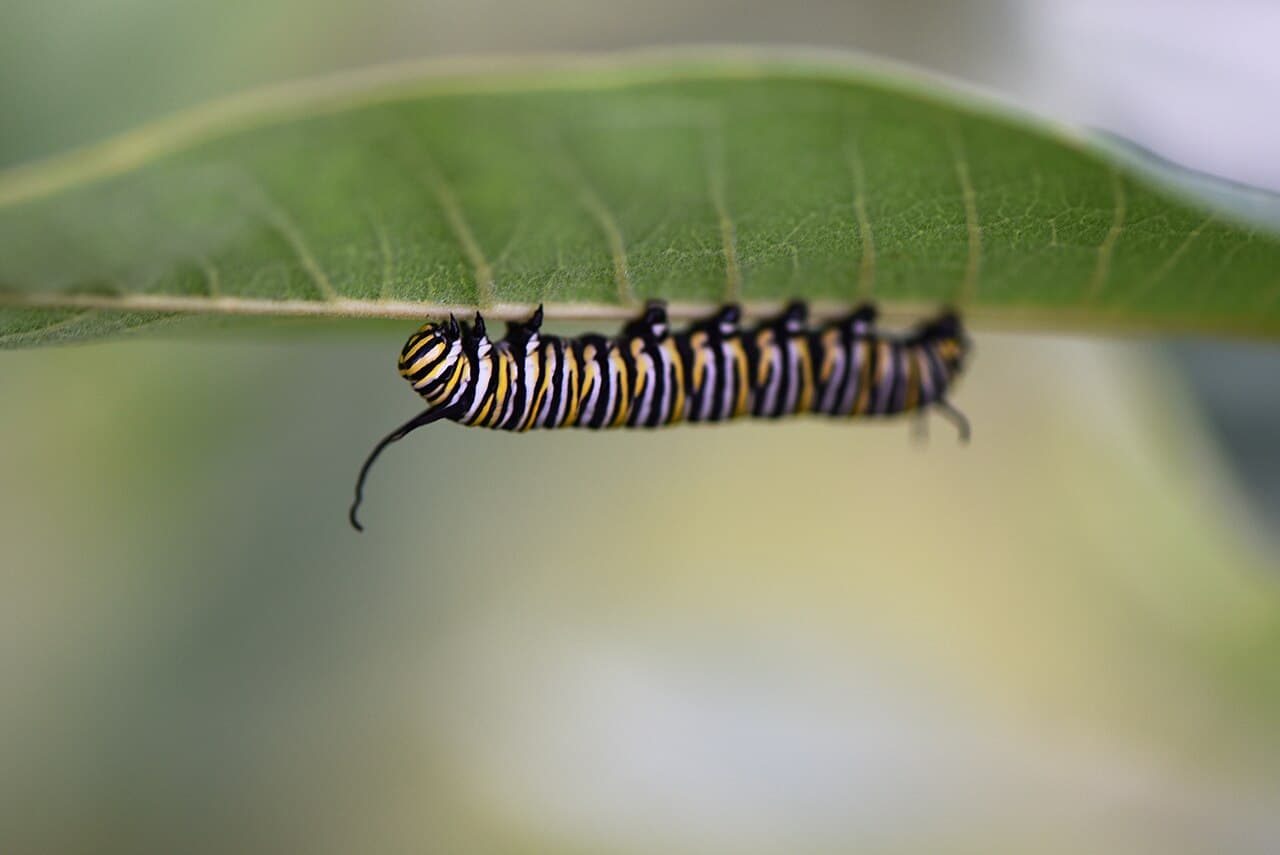
Behind the fences of Redgranite Correctional Institution in Wisconsin, something delicate is growing. Each summer, a group of incarcerated men raise monarch caterpillars, watch them turn into butterflies, and send them off on a journey of around 3,000 miles to their winter home in Mexico.
The Refuge for Growth, Change and Inspiration Monarch Program was launched in 2025 by Carrie Jahnke, the prison's recreation leader, known inside as “the butterfly lady.” The idea was to offer an activity that did not revolve around sports. “I was looking for something that wasn't focused on sports and would work well for residents who may have mobility concerns,” Jahnke told Corrections1.
The programme runs from June to September. About 20 men take part, working in groups of five on assigned days. They clean and sanitise habitats, feed the caterpillars fresh milkweed, monitor eggs and larvae, collect data and tend pollinator gardens around the grounds. Redgranite received 100 monarch larvae from the Monarch Watch breeding programme in 2026, up from 60 the year before. After emerging, the butterflies spend a couple of days building strength in the enclosure before they are tagged and released. A grant from the Natural Resources Foundation of Wisconsin paid for a permanent structure with rearing cabinets and an open-air space planted with milkweed and monarch-friendly flowers.
For participants, the work has meaning beyond the fence. “I enjoy being part of this program and being able to give back to the community,” said Nathan Lecker, one of the men involved. “We can make a big impact from the inside.” Another participant told WPR: “I find it extremely rewarding how our program can have a positive benefit beyond our prison.” Shelly Torkelson of the Natural Resources Foundation of Wisconsin noted that monarch populations have been declining for years, “and it's wonderful that RGCI is getting involved with efforts to conserve them.”
A hundred caterpillars will not reverse a continental decline on its own. But the programme gives men in prison responsibility, teamwork and a connection to nature, and it adds a few more healthy, tagged monarchs to one of the world's great migrations.
Why it matters
The programme gives incarcerated men purpose and teamwork while contributing healthy, tagged butterflies to research and conservation of a declining species.
Sources
What you can do
If you live in the monarch's range, plant native milkweed and nectar flowers and avoid pesticides in your garden; read more about the programme at the source.


