

Meet Leopardus Tilcayo, the First New Wild Cat Species Named in Over a Century
Scientists have described a small spotted cat from Bolivia's Yungas cloud forests as a new species, after genetic analysis showed South America's 'tiger cats' are at least five distinct species rather than one.
AnimalsGNGV Editorial Team5 min read
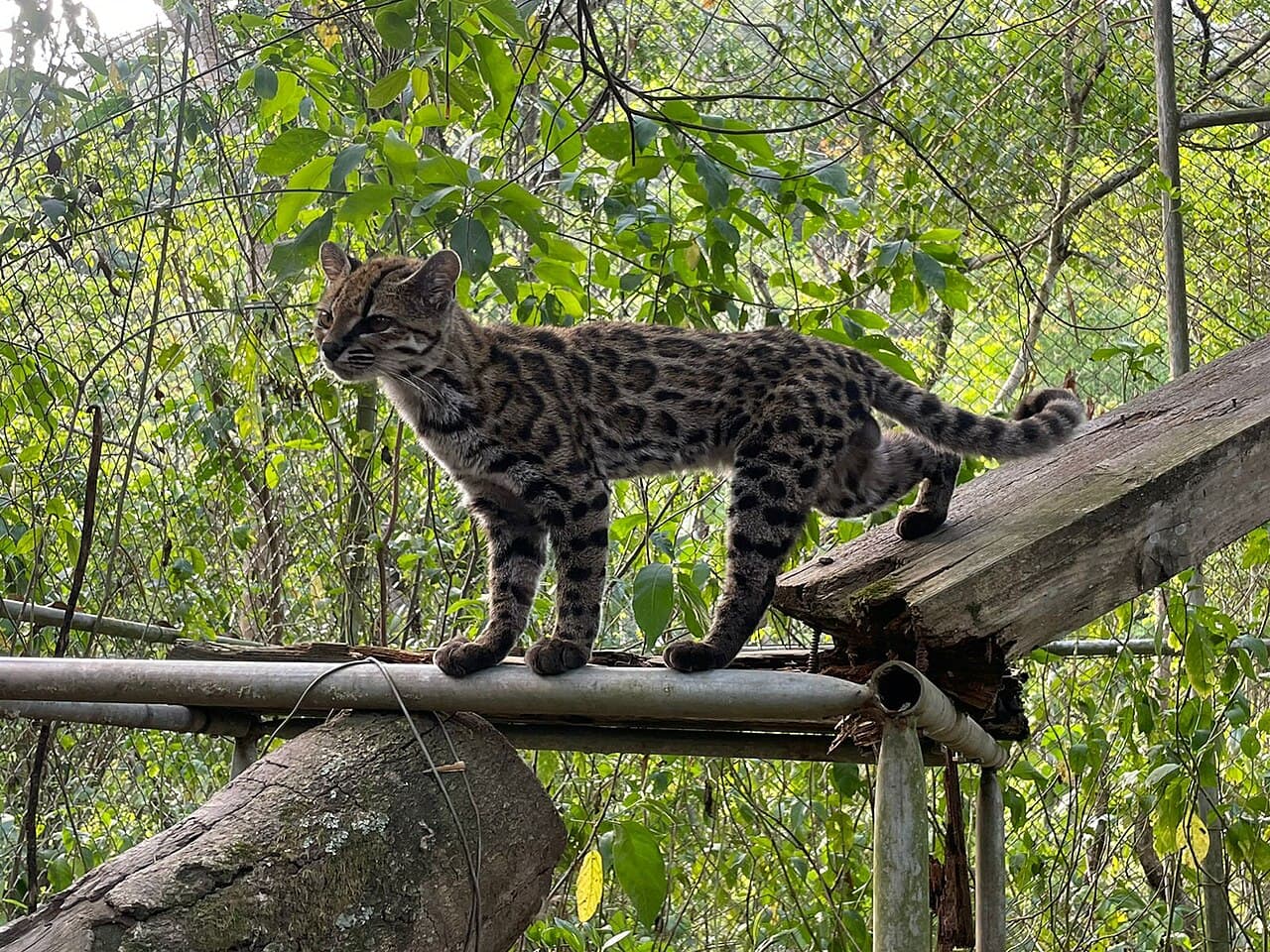
The family tree of wild cats has a new branch. In a study published in the journal Current Biology on September 18, 2026, an international team described Leopardus tilcayo, a small spotted cat from the Yungas cloud forests of Bolivia. It is the first new living wild cat species to be named in more than a century.
The animal is tiny, even by house-cat standards: about 46 centimetres (18 inches) long from head to the base of the tail, and weighing around 1.4 kilograms (3 pounds). It has a light brown coat with dark, leopard-like spots. Its name comes from “tilcayo,” the word local communities already used for it, a choice meant to honour Indigenous knowledge of the animal in the Andes.
The discovery began with an unusual rescue. A local man found a kitten alone near the forest and took it home, where it lived with his family for about a year until, in 2016, its wild instincts became too strong and the family handed it to Senda Verde, an animal refuge. Years later, a colleague alerted Bolivian biologist Paola Nogales-Ascarrunz, a National Geographic Explorer, to the cat's unusual appearance. Working with evolutionary biologist Jonas Lescroart of the University of Antwerp and others, the team sequenced genomes from living animals and museum bone specimens. The results showed that South America's so-called tiger cats are not one species but at least five, and that the tilcayo lineage split from its relatives around 1.4 million years ago.
“Describing a new cat species after more than 100 years shows how much we still have to learn about the biodiversity around us,” Nogales-Ascarrunz told Positive News.
There is urgent work ahead. So far the cat is confirmed only in Bolivia's Yungas, its full range is unknown, and researchers still don't know how many there are. They also need to learn about its diet, behaviour and habitat, while the forests face pressure from deforestation and mining. Naming a species is often the first step toward protecting it, and this one arrives with a clear reminder of how much remains to be discovered.
Why it matters
Recognising the tilcayo as its own species means its small, little-known population can be counted, studied and protected, in forests already under pressure from deforestation and mining.
Sources
What you can do
Never take wild animals home as pets; if you find one that seems orphaned, contact a licensed wildlife rescue. Read more about the discovery at the source.


