

27 Years After the War, the HALO Trust Completes Landmine Clearance in Kosovo
The mine-clearance charity announced the end of its humanitarian landmine clearance in Kosovo, where fields cleared of cluster bombs and mines since 1999 have made room for farms, roads, homes and a growing economy.
CommunityGNGV Editorial Team5 min read
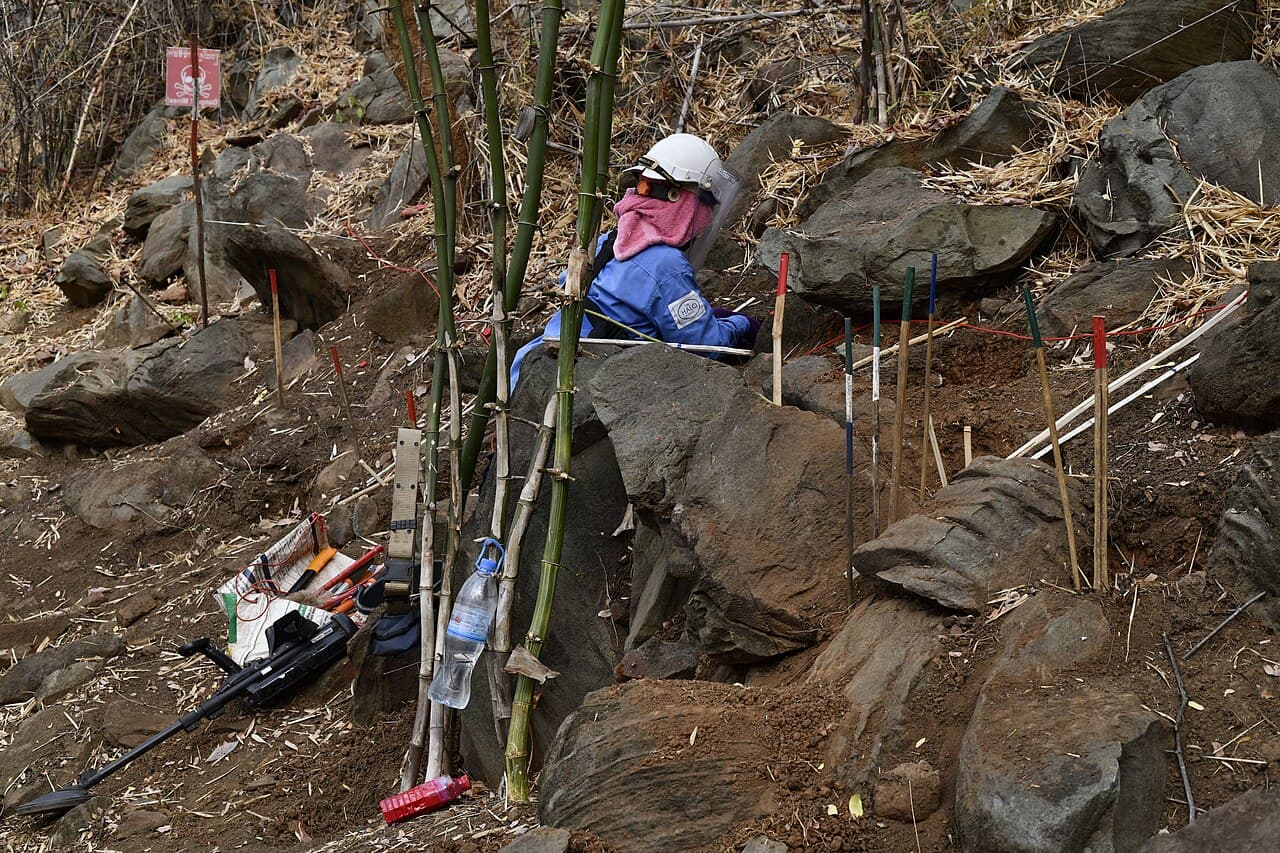
When refugees returned to Kosovo in the summer of 1999, many found their homes burned and their fields sown with landmines and unexploded cluster bombs. On September 23, 2026, the mine-clearance charity The HALO Trust announced that its humanitarian landmine clearance in Kosovo has concluded, 27 years after its teams first arrived.
The scale of the danger was enormous. During the 1998 to 1999 conflict, more than 800,000 Kosovar Albanians were displaced. HALO records 585 landmine casualties in Kosovo between 1999 and 2024, and about three quarters of them happened in the chaotic period of 1999 and 2000. Tom Dibb, a HALO project manager, remembers the start: “The NATO humanitarian convoy went in with ‘HALO mine clearance’ at the front. Arriving in Pristina we were pelted with flowers.”
Clearing the land made recovery possible. Safe fields allowed farming to mechanise, roads such as the E851 motorway to be built, and tourism to reach mountain areas. Diaspora families invested in homes and businesses once the ground was secure. Today Kosovo's economy is worth around 14 billion dollars, Pristina Airport handles nearly five million passengers a year, and life expectancy has risen from 58 during the war to 78. “Mine clearance was not the outcome of Kosovo's recovery. It was one of the prerequisites that made recovery possible,” said Atholl Stewart, a former HALO programme manager in Kosovo.
The experience gained in Kosovo now helps others. According to Positive News, HALO's Kosovo staff are leading operations in Syria and Ukraine. Agron Boshtraj, who has worked with HALO since 1999, drew a direct line: “I have just come back from Gaza and the destruction there is very familiar to me. It's what Kosovo looked like when the refugees returned home in 1999.”
The milestone has an important nuance. As Squirrel News explains, declaring an area mine-free under the Ottawa Treaty framework does not mean every explosive item has been found; it means all known or suspected mined areas have been surveyed and cleared and a system exists to deal with any residual finds. At least 58 countries remain contaminated. But Kosovo shows what patient, local, long-term work can achieve.
Why it matters
Clearing mines turned dangerous land back into farms, roads and homes, and Kosovo's experience shows how demining underpins recovery in other war-affected countries.
Sources
What you can do
Read HALO's full account of its 27 years in Kosovo at the source, and learn about mine-clearance charities working in countries still affected today.


