

Norway's Glacier Archaeologists Recover 48 Prehistoric Arrows, Some Up to 6,000 Years Old
In its 20th season, Norway's Secrets of the Ice programme recovered 48 prehistoric arrows from ice patches in the Jotunheimen mountains, including Stone Age arrowheads of slate, bone and mussel shell. The finds are a scientific windfall, but the team warns they are emerging because the ice is disappearing fast.
ScienceGNGV Editorial Team4 min readLast reviewed October 12, 2026
Archaeologists working high in Norway's Jotunheimen mountains have had what they call a "year of the arrows". In a report published on 23 September, the Glacier Archaeology Programme in Innlandet, known as Secrets of the Ice, said its team recovered 48 prehistoric arrows from melting ice this season after three intense weeks of fieldwork at the edge of the ice.
The finds came from three ice patches on Kvitingskjølen: Langfonne, Storfonne and Handklefonne. Among them are a slate arrowhead about 5,000 years old, an arrow with a slate point and wooden shaft dated to roughly 5,000 to 6,000 years ago, a bone arrowhead of about 5,000 years, and a fragile arrowhead made from freshwater mussel shell that is about 3,600 years old. The team also found the rear part of a 3,600-year-old shaft still bound with animal sinew and birch bark, and a complete arrow with a bone point and wooden shaft about 1,800 years old.
Ice preserves materials that normally rot away, such as wood, hide, sinew and textiles, which is why these sites are so valuable. Over 20 years of work since 2006, the programme has recorded 73 archaeological sites and recovered more than 5,000 artefacts, including bows, clothing, shoes and other evidence of reindeer hunting. When the work began, most finds were less than 2,000 years old and many came from the Viking Age; now many date to the Bronze Age and Stone Age, and the oldest are more than 6,000 years old. As the team puts it, "the oldest ice contains the oldest finds."
The good news comes with a clear warning. "The ice is disappearing much faster than we expected," the researchers write. Langfonne has split into several smaller patches since 2006 and will probably be gone within 20 years, and objects decay quickly once exposed, so every field season counts.
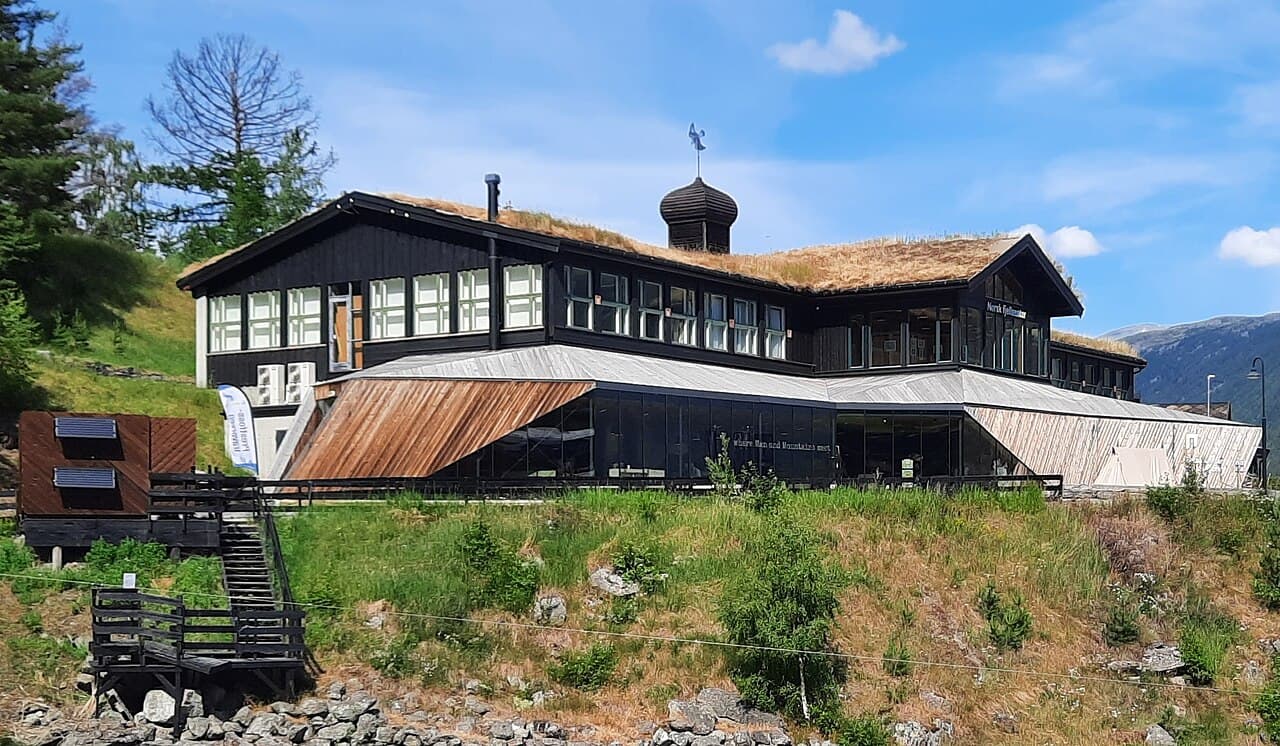
Some discoveries reach the public within days: they are shown in a refrigerated "fresh finds" display at the Norwegian Mountain Centre in Lom, while the rest are documented and prepared for research and conservation.
Why it matters
Organic objects such as wooden arrow shafts almost never survive thousands of years, so these finds give rare, direct evidence of how Stone Age and Bronze Age people hunted in the mountains.
Sources
What you can do
Read the team's full field report and photos on the Secrets of the Ice website, or visit the fresh-finds display at the Norwegian Mountain Centre in Lom if you are in the area.