

UK Farmers Map Slug Hotspots and Cut Pellet Use by Half on Pilot Farms
A three-year, farmer-led research project called SLIMERS built slug prediction maps so growers can treat only the parts of a field where slugs gather; pilot farms reduced slug pellet use by an average of 50%.
InnovationGNGV Editorial Team5 min read
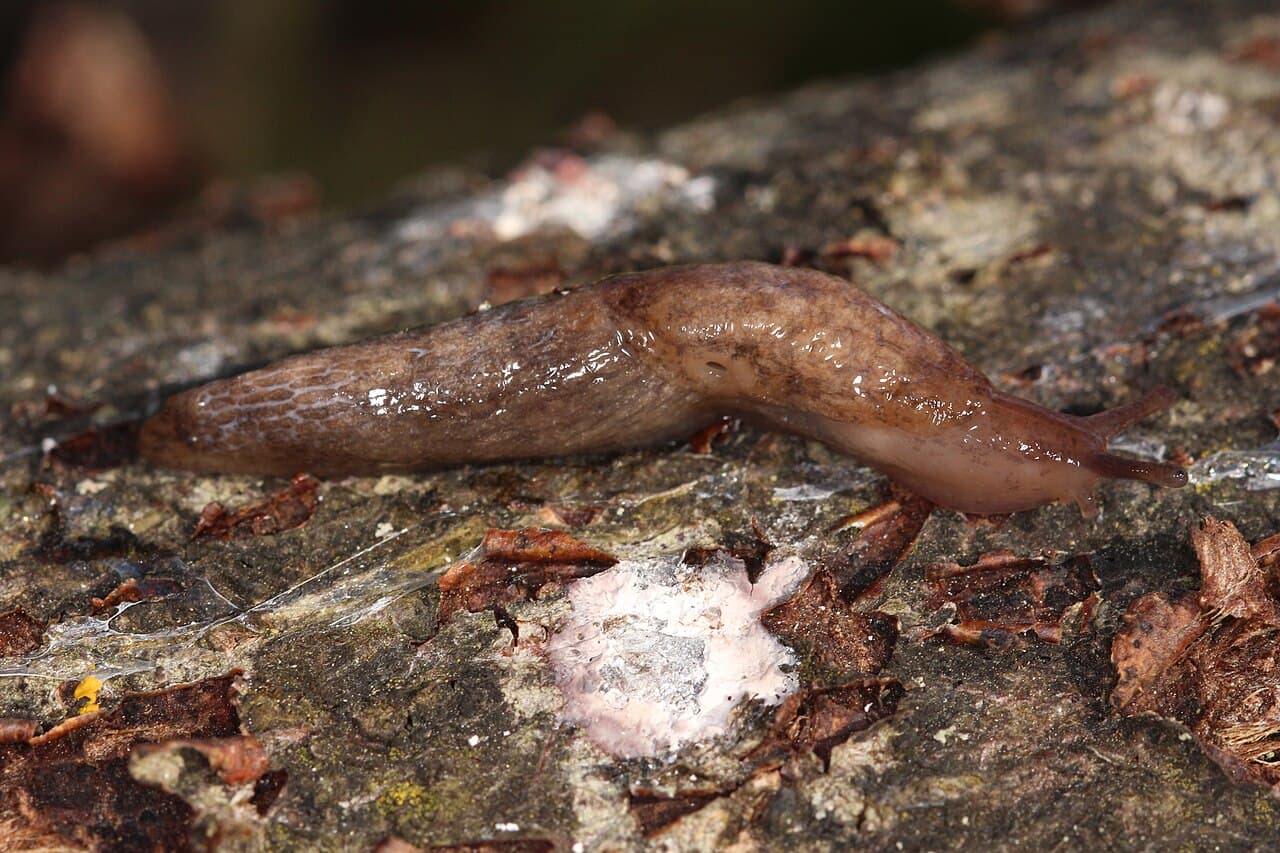
Slugs are a costly headache for arable farmers in the UK, causing an estimated £44 million of crop damage every year. The usual response is to spread slug pellets across whole fields. A farmer-led research project has shown that a more precise approach can work: find out where the slugs actually are, and treat only those patches.
The project, called SLIMERS (Strategies Leading to Improved Management and Enhanced Resilience to Slugs), was a three-year, £2.6 million programme funded through Defra's Farming Innovation Programme, delivered by Innovate UK and concluding in August 2026. It was led by the British On-Farm Innovation Network (BOFIN) with partners including Harper Adams University, the UK Agri-Tech Centre, the John Innes Centre, Fotenix, Farmscan Ag and Agrivation.
At its heart were 28 “Slug Sleuth” farmers and agronomists who trapped and counted slugs and collected soil samples. That data fed a computer model, PatchPrediction, which produces maps showing where slugs are likely to appear in a field. Farmers can then use targeted application equipment, including an automated pellet applicator, to treat hotspots instead of whole fields. According to Positive News, pilot farmers cut their slug pellet use by an average of 50%, and the approach could save the UK arable sector around £6 million a year. Scientists at the John Innes Centre also identified three regions of the wheat genome linked to slug resistance, a lead for breeding tougher varieties.
“Farmers deserve more respect for their intelligence: no one knows the land better,” said Tom Allen-Stevens, founder of BOFIN. Professor Keith Walters, who worked on the project, was equally impressed: “I have no doubt our farmers collected data to the same level of accuracy as trained technicians.”
The results come from pilot farms, and wider adoption will depend on how the tools perform across different soils, seasons and budgets. But the project is a strong example of research done with farmers rather than for them, and of how better information can mean fewer chemicals on the land.
Why it matters
Treating only the patches where slugs gather can halve chemical use and cut costs for farmers while still protecting crops.
Sources
What you can do
In your own garden, try targeted, wildlife-friendly slug control rather than scattering pellets everywhere; read more about the project at the source.